

Have you ever found yourself saying, “Why does this keep happening to me?” Perhaps you keep attracting similar relationship dynamics, struggle with the same fears, overthink important decisions, or find yourself working hard to prove your worth again and again. You may know exactly what you want to change, yet when a familiar situation appears, you somehow find yourself responding in the same old way.
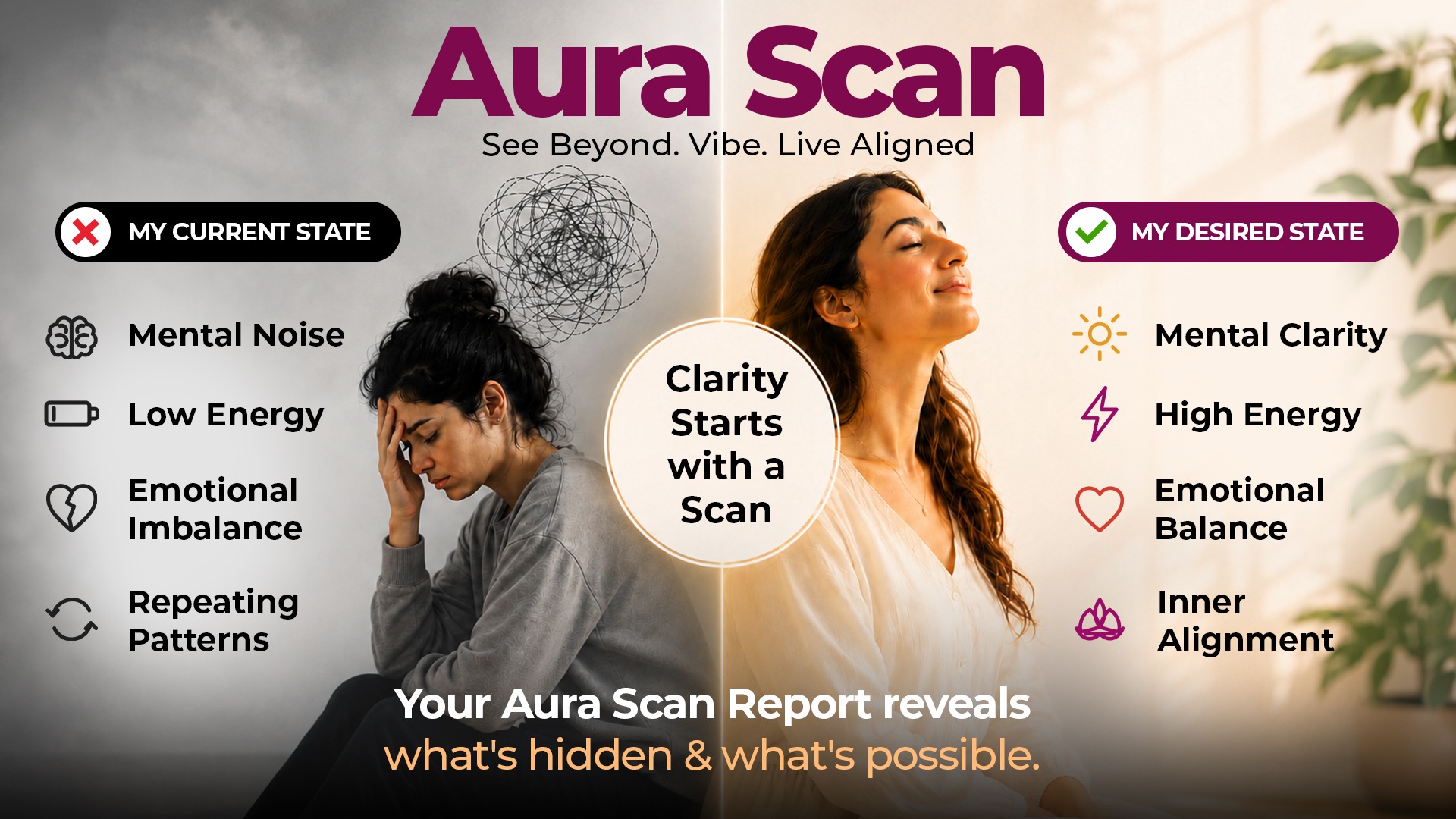
These experiences can leave us wondering whether something is wrong with us. But sometimes, what we are experiencing is not a lack of willpower. It is a pattern that has become familiar to our mind, emotions and subconscious. Understanding these patterns can help us stop fighting ourselves and start creating a more conscious way of responding to life.
Why Do We Keep Repeating the Same Patterns?
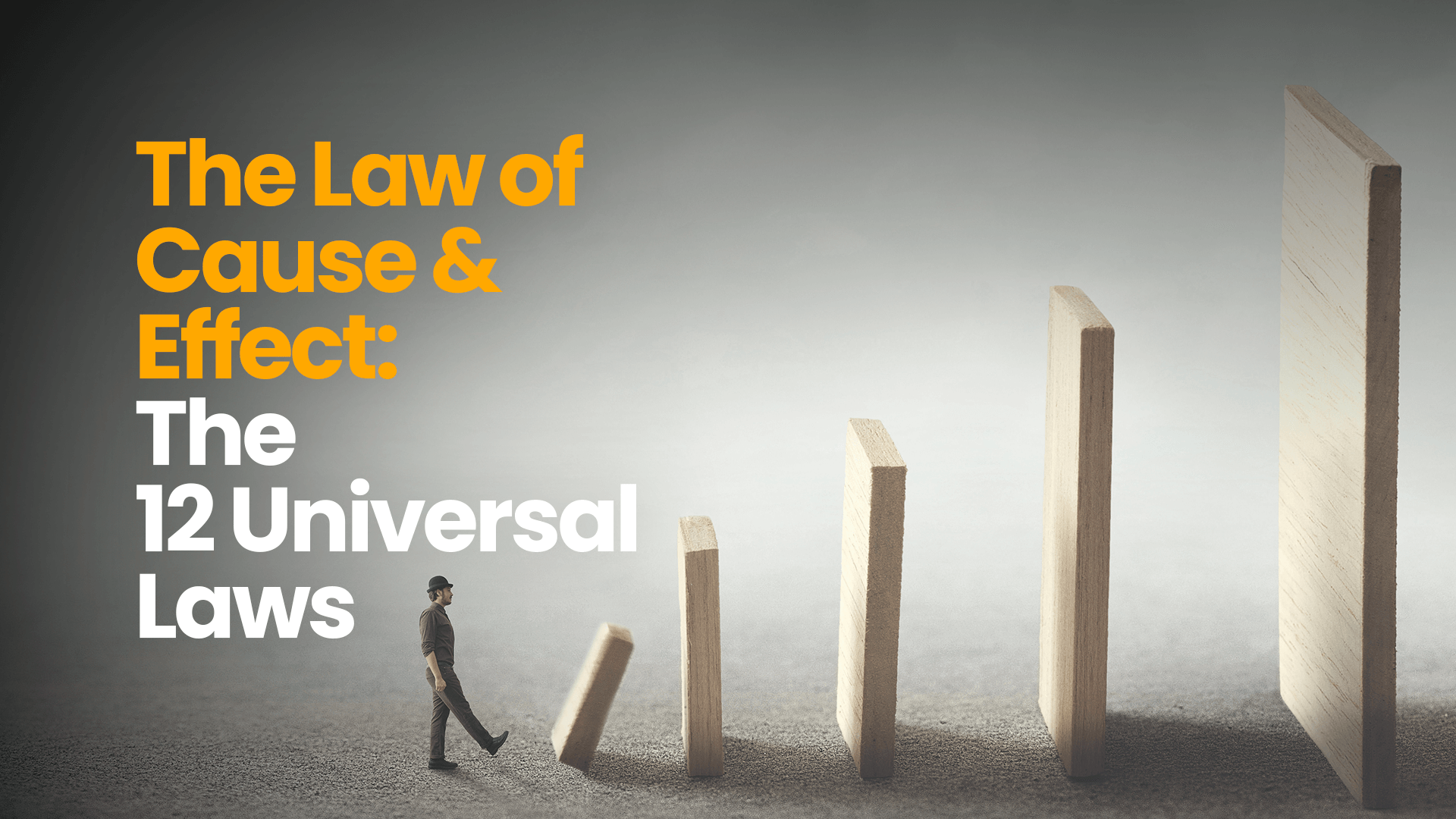
Our experiences shape the beliefs we develop about ourselves and the world around us. When certain thoughts, emotions and behaviours are repeated over time, they can become automatic. We may no longer consciously decide to react in a particular way because the response has become familiar.
For example, someone who constantly seeks approval may have learned that being accepted depends on pleasing others. Someone who needs to control everything may have developed that response because uncertainty once felt unsafe. Another person may avoid difficult conversations because they associate conflict with rejection or emotional pain. These responses may have helped them cope at one point, but they may no longer serve the person they have become.
When Familiar Becomes Normal
One of the most difficult parts of changing a pattern is recognising that we may have started identifying with it. We say, “I am just an overthinker,” “I cannot trust people,” or “I have always been this way.” When we repeat these statements often enough, a behaviour can begin to feel like an unchangeable part of our identity.
But who you are is much greater than the patterns you have developed. A response that was learned through experience can also be examined and changed. The important question is not, “What is wrong with me?” but rather, “What have I learned to believe, and is that belief still helping me live the life I want?”
What Is the Pattern Trying to Protect?
Sometimes, the behaviour we want to change is actually protecting an emotional need underneath it. People-pleasing may be protecting us from the fear of rejection. Perfectionism may be protecting us from the fear of failure. Constant busyness may be helping us avoid emotions we do not yet feel ready to face.
Understanding this does not mean excusing behaviour that is unhealthy. It simply gives us a deeper understanding of ourselves. When we become curious about the emotion beneath the pattern, we can begin addressing the real need instead of repeatedly trying to control the behaviour.
How Do Patterns Affect Overall Well-Being?
Patterns do not exist only in our thoughts. They can influence our relationships, decisions, confidence, stress levels and the way we experience everyday life. When the mind remains caught in fear, overthinking or emotional tension, it can become difficult to feel fully present and connected.
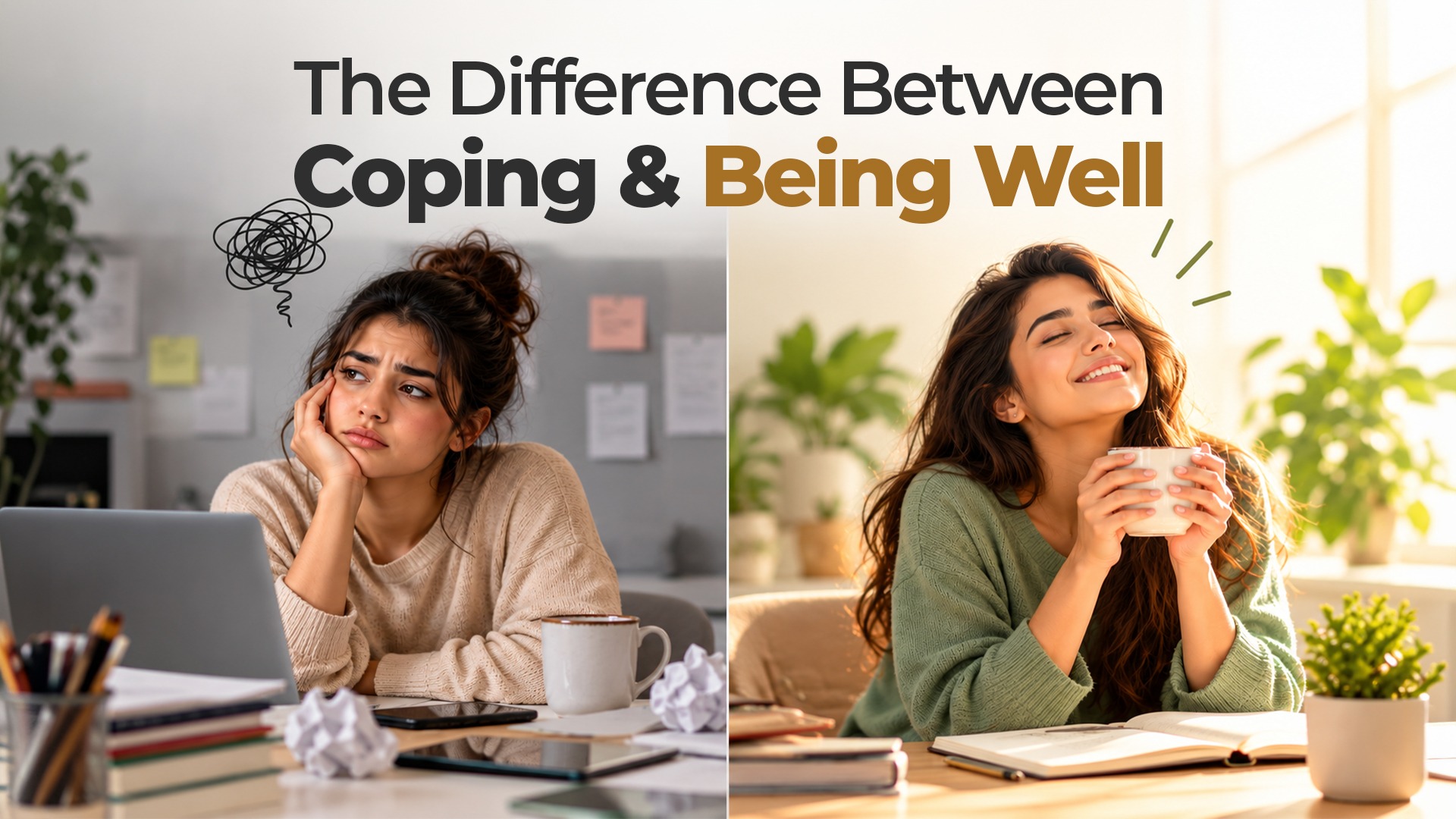
This is why personal growth can benefit from a holistic approach. Our emotional experiences, mental well-being, physical needs, relationships and inner sense of balance are interconnected. When one area remains overwhelmed, it can influence the others as well.
How to Begin Letting Go
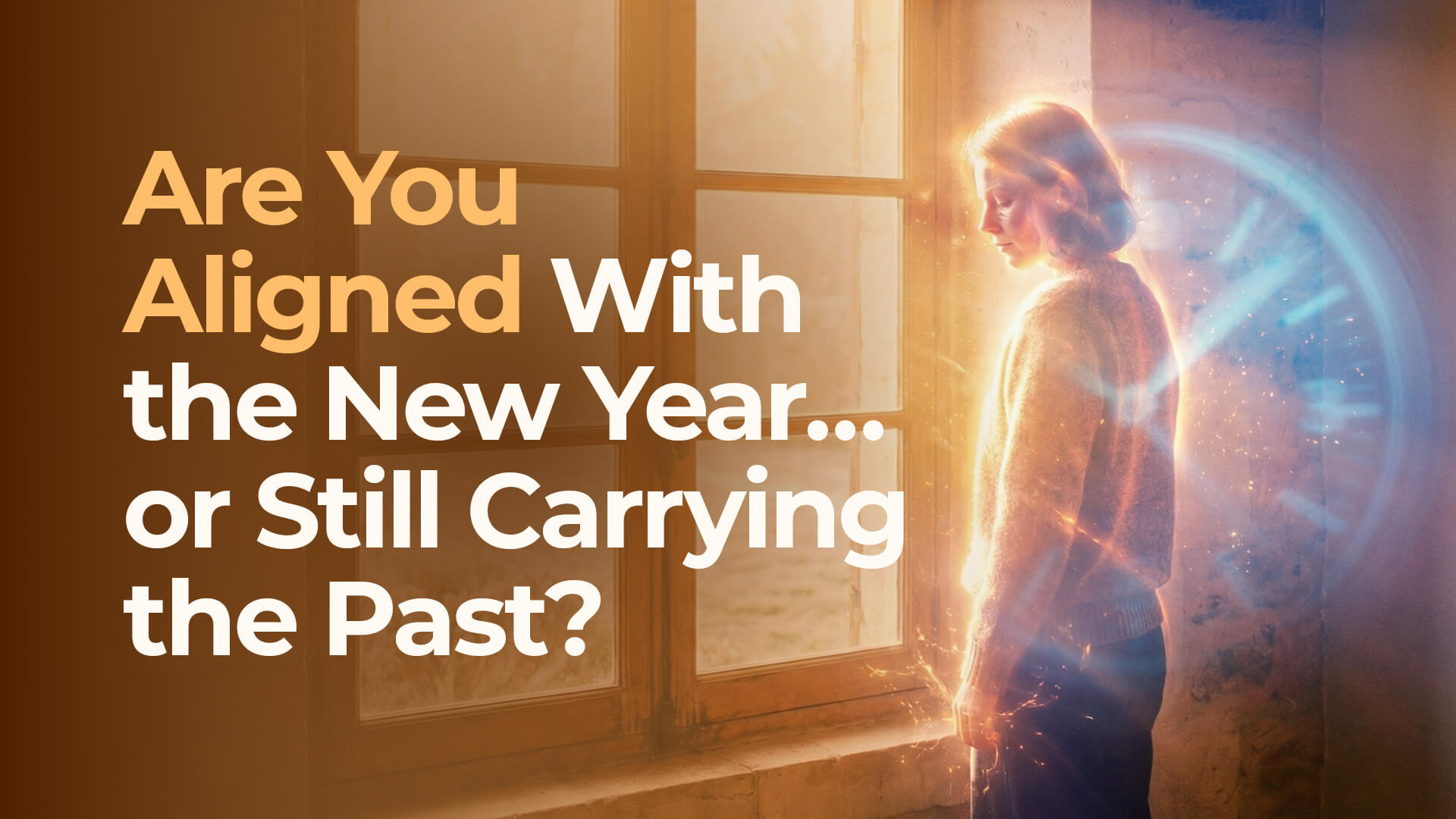
Letting go of a limiting pattern does not mean forcing yourself to forget the past or suddenly becoming a completely different person. It begins with recognising what you are carrying and understanding how it continues to influence your present choices.
Start by identifying one pattern rather than trying to change everything at once. Notice when it appears, what triggers it and what emotion usually comes before the familiar reaction. You can then begin exploring what you are ready to release and what new response you would like to practise.
A few questions can help you begin:
- What pattern keeps repeating in my life?
- What emotion usually sits underneath it?
- What belief about myself supports this pattern?
- What would I choose if I did not respond automatically?
- What small change am I ready to practise?
The intention is not to judge yourself for having the pattern. It is to become aware enough that the pattern no longer gets to make every decision for you.
A Simple Emotional Release Practice
Set aside ten quiet minutes and think about one recurring situation that continues to affect you. Rather than analysing everything that happened, allow yourself to gently acknowledge what you felt and what the experience may have taught you about yourself. Write down the following and complete each sentence honestly:
- “The situation that keeps repeating is…”
- “What I feel when it happens is…”
- “What I started believing about myself is…”
- “The response I usually have is…”
- “What I am ready to release is…”
- “The response I would like to choose instead is…”
Read what you have written slowly and notice what happens within you. You do not need to force yourself to forgive, forget or immediately feel positive. The purpose of the exercise is to create awareness around the experience and separate what happened in the past from the choices available to you today.
You can repeat this practice whenever you notice an old pattern becoming active. With time, the process of noticing, understanding and choosing differently can help create a new emotional and behavioural response.
Frequently Asked Questions
1. Why do I keep repeating the same patterns?
Repeated patterns can develop from past experiences, emotional conditioning, beliefs and habits. Once a response becomes familiar, we may repeat it automatically.
2. Can childhood experiences influence adult behaviour?
Yes. Early experiences can influence beliefs about relationships, safety, self-worth, success and money. Becoming aware of these beliefs can help us consciously create healthier responses.
3. How can I identify a pattern that is holding me back?
Look for recurring situations, emotions or outcomes. If you often find yourself saying, “This always happens to me,” explore what your role or response has been in those situations.
4. Can I change a subconscious pattern?
Patterns can change through awareness, emotional work, new choices and consistent practice. Change may take time, especially when a pattern has been present for many years.
5. What is the first step towards breaking a limiting pattern?
Start by noticing it without judging yourself. Awareness creates the space needed to understand the pattern and choose a different response.
You are not required to remain the person your past experiences taught you to be. Some patterns may have protected you once or helped you cope with difficult experiences, but you have the ability to decide which patterns continue to belong in your future. When you learn to pause, notice what is happening within you and consciously choose how you want to respond, you create space for a different way of living. Sometimes, that small shift in awareness can become the beginning of a much larger transformation.
Reach Dr. Chandni’s support team at +918800006786 and book an appointment.
































 facebook
  X
X  youtube
  whatsapp
  instagram
  linkedin