

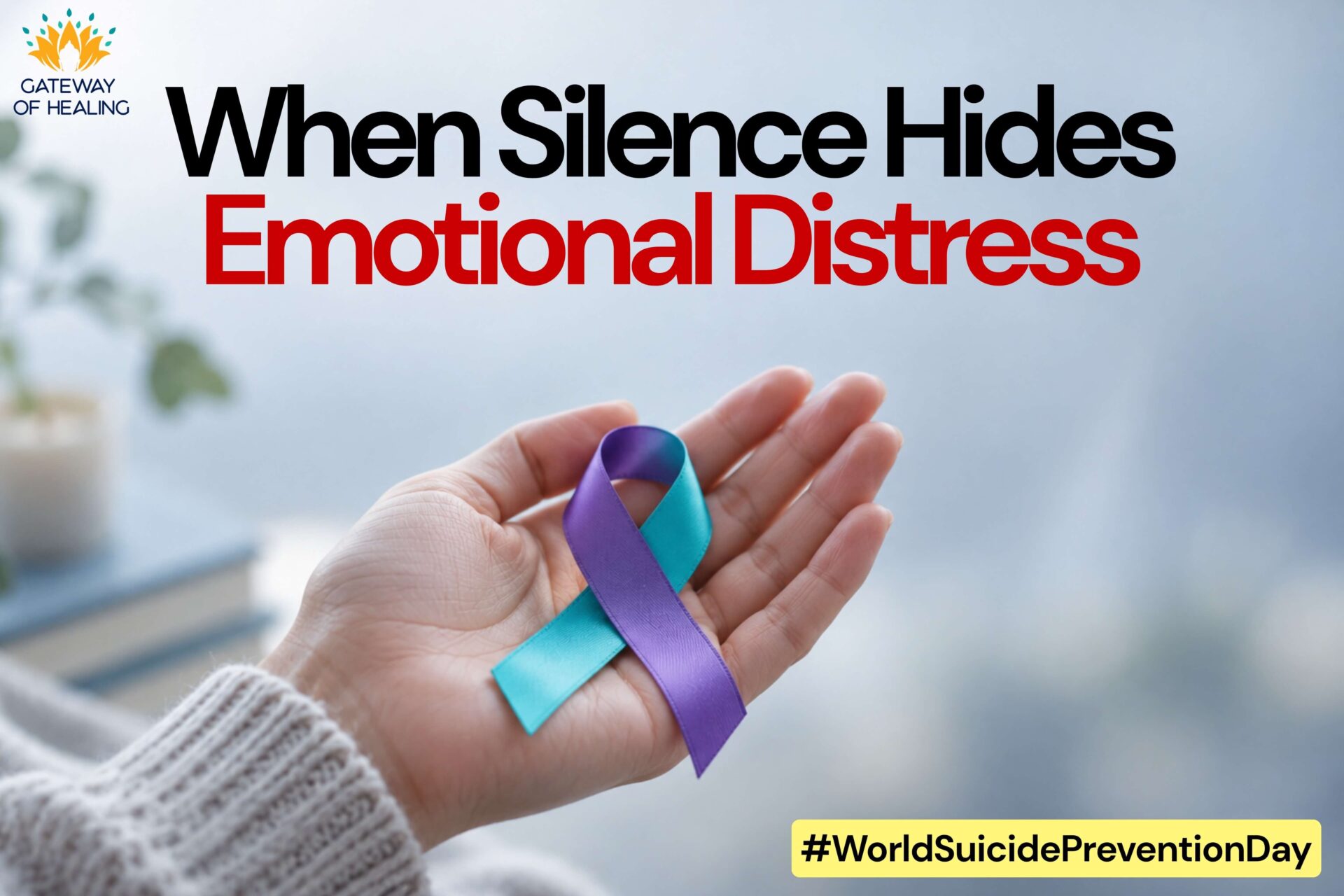
When people think of mental health struggles, they often imagine clear, visible signs, like withdrawal, tears, breakdowns, or inability to function. But in reality, many individuals experiencing psychological distress do not fit this image. They show up, they work, smile, and respond on time, and still, they struggle. Mental health is not always visible, as it often exists beneath the surface, hidden behind routine, responsibility, and composure.
The Myth of “Looking Fine”
Society tends to equate appearance with well-being. So, if someone is functioning, they are assumed to be okay, and if they are smiling, they are considered happy. This creates a dangerous assumption, because functioning does not equal thriving, and smiling does not equal peace. Many people learn to maintain external stability while managing internal distress. Over time, this disconnect becomes normalised.
High-Functioning Distress
Some individuals develop the ability to perform despite emotional strain. This is often referred to as high-functioning distress. It may look like:
- Meeting deadlines consistently
- Maintaining social interactions
- Taking on responsibilities without complaint
- Appearing calm in stressful situations
Internally, however, they may experience:
- Persistent anxiety
- Emotional exhaustion
- Overthinking
- Lack of fulfillment
- Difficulty relaxing
Why People Hide Their Mental Health
Mental health remains difficult to express openly for many reasons, and people may conceal distress due to:
- Fear of being judged or misunderstood
- Concern about professional consequences
- Desire to avoid burdening others
- Cultural expectations around resilience
- Lack of language to describe feelings
The Nervous System Behind the Mask
When stress becomes chronic, the nervous system adapts. Some individuals enter a state of overactivation, constantly alert and driven, while others move toward shutdown, appearing calm but feeling disconnected. These responses are not conscious choices, but they are protective mechanisms. A person may appear composed because their system has learned to contain distress, not because the distress is absent, but because understanding this shifts how we interpret behavior.
Subtle Signs That Are Often Missed
Mental health struggles often show up in ways that are easy to dismiss. You should look for:
- Persistent fatigue despite rest
- Increased irritability
- Difficulty concentrating
- Loss of interest in previously enjoyable activities
- Changes in sleep patterns
- Overworking to avoid emotional reflection
Recognizing these signs is the first step toward self-compassion. They are not character flaws or “laziness”; they are communication from your system that it is currently operating outside of its comfort zone and needs adjustment.
The Cost of Invisible Struggles
When mental health struggles remain unseen, support is delayed, and what could have been a manageable challenge can start to accumulate into something much larger. The longer distress is left unacknowledged, the heavier it becomes for you to carry, often acting as a weight that impacts your daily life in ways you might not immediately notice. Without intervention, these untreated struggles can lead to:
- Increased emotional isolation
- Escalation of symptoms
- Physical health complications
- Reduced quality of life
Feeling disconnected from others as you withdraw to cope.
Small, persistent issues gradually becoming more intense or frequent.
The body often carries the stress the mind cannot, leading to fatigue, tension, or other physical symptoms.
A diminished ability to enjoy daily activities, relationships, and goals.
Early recognition acts as the turning point. By acknowledging these signs sooner rather than later, you disrupt the cycle of escalation, making it far easier to regain balance and restore your well-being.
Creating Space for Honest Conversations
Mental Health Awareness Month is about more than just gathering information; it is about fundamentally shifting how we communicate with one another. True support is built on practices like asking open-ended questions, listening without jumping to immediate solutions, validating emotional experiences, avoiding unhelpful comparisons, and respecting each individual’s unique pace. Simple, intentional check-ins such as asking, “What has been on your mind lately?” or “How have you been feeling, really?” can significantly reduce feelings of isolation. By choosing these approaches, we move beyond small talk to create genuine space for connection, allowing others to feel truly heard and supported.
Supporting Yourself When Struggles Are Invisible
- Acknowledge your internal state
- Create moments of pause
- Express emotions safely
- Reduce overcommitment
- Seek professional support
Recognise feelings without minimising them. Awareness reduces internal pressure.
Short breaks during the day help reset your nervous system.
Journaling, creative outlets, or trusted conversations allow release.
Assess where you are taking on more than you can sustain.
Guidance provides structured tools for managing emotional challenges.
Redefining Strength
Strength is often associated with endurance and independence. But emotional resilience includes openness, and strength may look like:
- Admitting when you are overwhelmed
- Asking for help
- Setting boundaries
- Prioritizing rest
- Choosing honesty over appearance
Changing Collective Perception
Awareness must extend beyond the individual, as workplaces, schools, and communities play a vital role in fostering mental well-being. By actively encouraging open dialogue, providing accessible resources, reducing stigma, and prioritizing sustainable balance over constant productivity, these institutions create environments where individuals feel safe to express their experiences. When systems become intentionally supportive, the culture shifts from one of silence to one of connection, ultimately allowing people to thrive rather than just endure.
A Simple Awareness Practice
Take a moment to pause and ask yourself, “What am I feeling that I have not acknowledged?”
Notice your response without judgement.
Even brief awareness can reduce emotional load.
Frequently Asked Questions
Q1. Can someone appear successful and still struggle mentally?
A. Yes. External success does not guarantee emotional well-being.
Q2. Why are mental health issues often hidden?
A. Stigma, fear, and lack of safe spaces contribute to concealment.
Q3. How can I support someone who seems fine but may be struggling?
A. Offer consistent, non-judgmental presence and open communication.
Q4. Is it normal to feel stressed without obvious reasons?
A. Yes. Internal and external factors both influence emotional state.
Q5. When should someone seek professional help?
A. When distress affects daily functioning or feels difficult to manage alone.
Mental health is not always visible. It exists in quiet struggles, hidden fatigue, and unspoken thoughts. During Mental Health Awareness Month, the goal is not only to recognise visible distress, but also to acknowledge what remains unseen. When we move beyond assumptions and create space for honest expression, support becomes accessible. Awareness begins with understanding that what you see is not always the full story, and what is hidden often matters most.
Reach Dr. Chandni’s support team at +918800006786 and book an appointment.






































 facebook
  X
X  youtube
  whatsapp
  instagram
  linkedin
Keep up the great work.
This really helped me a lot.