
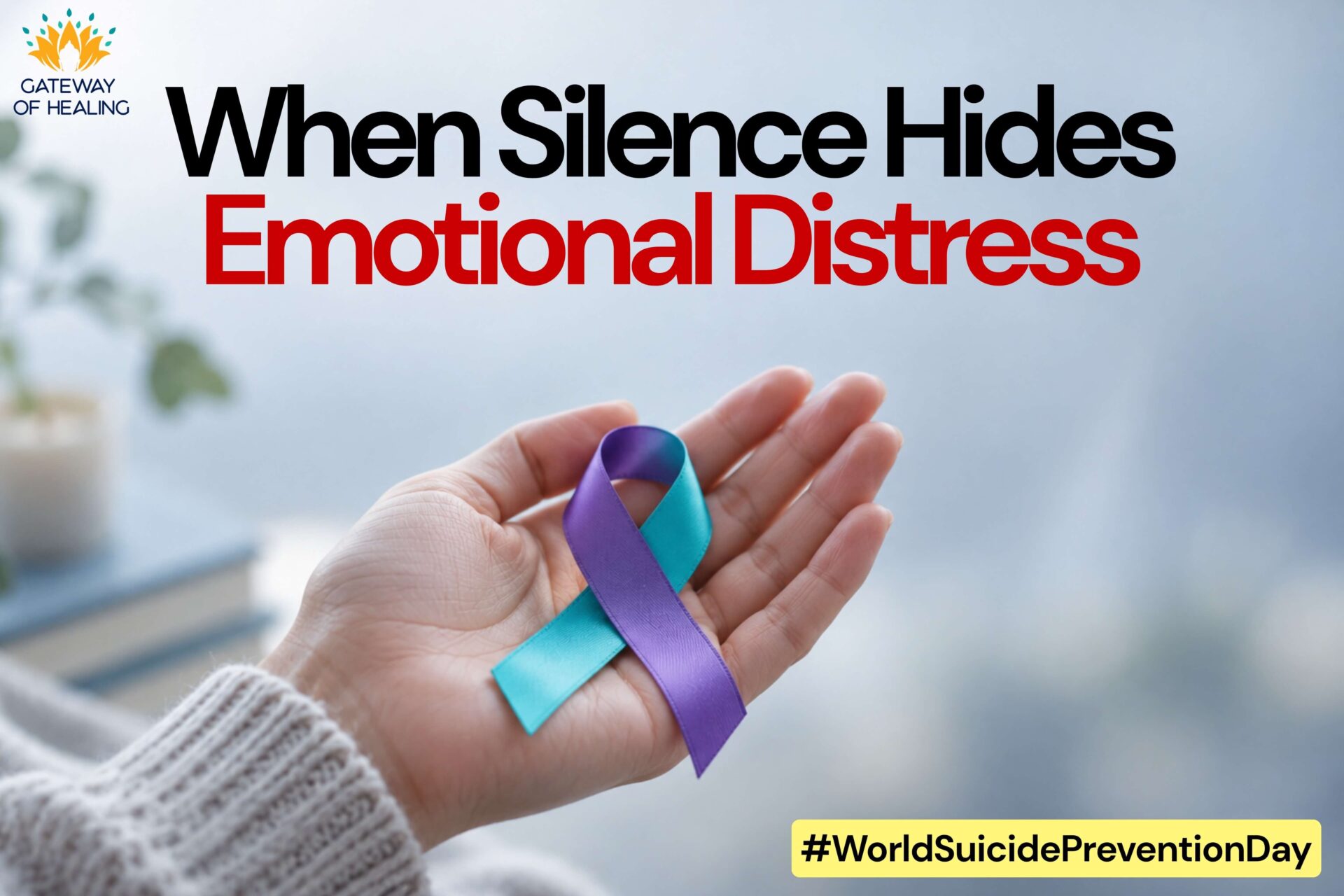
September 10 is World Suicide Prevention Day, a day that reminds us why conversations about suicide cannot be limited to statistics, awareness campaigns, or moments of crisis. Sometimes, prevention begins much earlier, when someone notices a change. When a friend asks, “How are you really doing?” When a parent stops assuming that a quiet child is simply going through a phase. When a colleague notices that someone who was once engaged has slowly withdrawn. Emotional distress does not always announce itself; sometimes, it becomes quieter, and sometimes, that silence is exactly what we need to notice.
Not Everyone Who Is Struggling Looks Like They Are Struggling
We often imagine emotional distress as crying, panic, anger, or complete withdrawal. But people can experience severe emotional pain while continuing with their daily lives. They may go to work, attend meetings, take care of their families, post on social media, make jokes, and achieve their goals. From the outside, everything may appear normal, but inside, they may be struggling to cope. This is why asking someone how they are doing cannot be based only on what you can see.
Why People Hide Their Pain
Silence can stem from many hidden reasons, someone may fear being judged, worry about becoming a burden, believe others have bigger problems, feel ashamed of what they are experiencing, or simply struggle to put their thoughts into words. Often, they have tried to speak before and felt dismissed, making “I’m fine” much easier to say than explaining what is actually happening inside. This is why creating emotional safety is so critical: people are far more likely to share their truth when they know they will be genuinely heard, rather than immediately corrected or advised.
The Strong One May Need Support Too
Some of the people we worry about least may be carrying the most:
- The person who always supports everyone else.
- The person who never complains.
- The person who keeps achieving despite personal difficulties.
- The person everyone describes as “strong.”
Strength can sometimes become a role, and when someone has spent years being the dependable one, admitting that they are struggling can feel like failure. Pay attention when someone who is usually expressive becomes unusually quiet, and notice when their usual patterns change. You do not need to know exactly what is wrong before reaching out.
Look for Changes, Not a Checklist
There is no single behaviour that can tell you whether someone is experiencing suicidal thoughts, but changes can be worth noticing. These may include:
- Withdrawing from friends or family
- Losing interest in things they previously enjoyed
- Expressing hopelessness or feeling trapped
- Talking about being a burden
- Significant changes in sleep or daily routine
- Giving away meaningful possessions
- Saying goodbye in unusual ways
- Talking about death or not wanting to be alive
Sometimes the Question Needs to Be Direct
When we are worried about someone, we often hesitate because we are afraid of saying the wrong thing. But a simple conversation can create an opening. You can say; “I’ve noticed you’ve seemed different lately. How are you really doing?” If you are seriously concerned, you can ask directly whether they have been thinking about suicide or hurting themselves. A direct question does not create suicidal thoughts. It can give someone permission to talk about thoughts they have been afraid to share. You do not need a perfect script, rather you just need presence.
Listen Before You Try to Fix
When someone shares something painful, our natural instinct is often to step in and fix it, trying to make the distress disappear instead of sitting with it. Instead of offering well-meaning assurances that unintentionally close the conversation down, shift toward responses that create space for real listening:
Avoid closing down the conversation with:
- “Everything will be fine.”
- “Don’t think like that.”
- “You have so much to be grateful for.”
- “Be strong.”
Instead, try opening up space with:
- “Thank you for telling me.”
- “That sounds really difficult.”
- “I’m here with you.”
- “You don’t have to handle this alone.”
Ultimately, listening isn’t about agreeing with everything someone says, nor does it require turning their pain into a problem you need to solve. It is simply allowing them the comfort of feeling genuinely heard.
Prevention Is Also About Everyday Connection
Suicide prevention is not just about how we respond during a crisis, but about intentionally building environments where people feel supported long before they reach a breaking point. Making emotional check-ins a normal part of daily life starts by moving past surface-level questions like “How was your day?” and asking deeper, more intentional ones like, “What has been weighing on you lately?”, “Is there anything you’ve been carrying alone?”, or “How have you really been feeling?” When you ask, give them your full, undivided attention, listen without preparing your response, allowing them the space to be genuinely heard.
Small Signs of Care Can Matter
- Send a message to someone you have not spoken to recently.
- Invite a friend for a conversation.
- Sit with someone who seems withdrawn.
- Check in after a difficult event.
- Offer practical help when someone feels overwhelmed.
- Encourage someone to speak with a mental health professional.
Consistency can matter more than intensity, because sometimes knowing that someone will check in again makes it easier to ask for help.
If Someone Opens Up to You
If someone shares that they are struggling, it is crucial to take them seriously, remain calm, and listen without judgment, while being transparent that you cannot promise to keep suicidal thoughts a secret. Remember that you are not expected to act as their therapist; your role is much simpler and more vital: to help them move from isolation toward professional support. If you believe they are in immediate danger, do not hesitate to seek urgent emergency assistance and involve trusted individuals who can help keep them safe.
What If You Are the One Staying Silent?
Perhaps this conversation is not about someone you know, but it is about you. Maybe you have become very good at saying, “I’m fine.” Maybe you continue working, smiling, caring for others, and showing up while privately feeling exhausted by everything you are carrying. You do not have to wait until you reach breaking point to ask for help. Start with one person; you do not need to explain everything at once. You can simply say: “I’m having a difficult time and I don’t want to handle it alone.” That sentence is enough to begin.
A Simple Check-In Ritual
Choose one person you care about, and call them. Do not send a quick reaction or a generic message. Ask them how they are doing and give them a few uninterrupted minutes to answer.
Then do the same for yourself by sitting quietly and asking: “What have I been carrying that I haven’t said out loud?”
Write whatever comes up. If the answer feels heavy, consider who you can share it with. Silence becomes less powerful when you give your experience a voice.
Frequently Asked Questions
Q1. Can someone experiencing suicidal thoughts still appear happy and successful?
Yes. Emotional distress is not always visible. Some people continue working, socialising, and fulfilling responsibilities while privately experiencing significant emotional pain.
Q2. What should I do if someone tells me they are thinking about suicide?
Take them seriously, listen calmly, and help them connect with immediate professional or emergency support. If there is an immediate risk, do not leave them alone if it is safe to stay with them.
Q3. Should I ask someone directly about suicide if I am worried?
If you have genuine concerns, asking directly and calmly can open an important conversation. You do not need to avoid the subject simply because it feels uncomfortable.
Q4. What should I avoid saying?
Avoid dismissing their feelings, forcing positivity, blaming them, or telling them that others have it worse. Focus on listening and helping them access appropriate support.
Q5. How can we make suicide prevention part of everyday life?
Normalise conversations about emotional well-being, check in with people consistently, take changes in behaviour seriously, reduce stigma around seeking help, and encourage professional support when needed.
We cannot always see the emotional weight someone is carrying, the friend who stops replying or the person who keeps saying “I’m fine” may simply be overwhelmed. This World Suicide Prevention Day, let awareness become action: notice, ask, listen, and connect them with support if they need more than you can give.
You don’t need perfect words; simply reminding someone “You don’t have to carry this alone” can make all the difference. The conversation might feel daunting, but have it anyway.
Reach Dr. Chandni’s support team at +918800006786 and book an appointment.




































 facebook
  X
X  youtube
  whatsapp
  instagram
  linkedin