
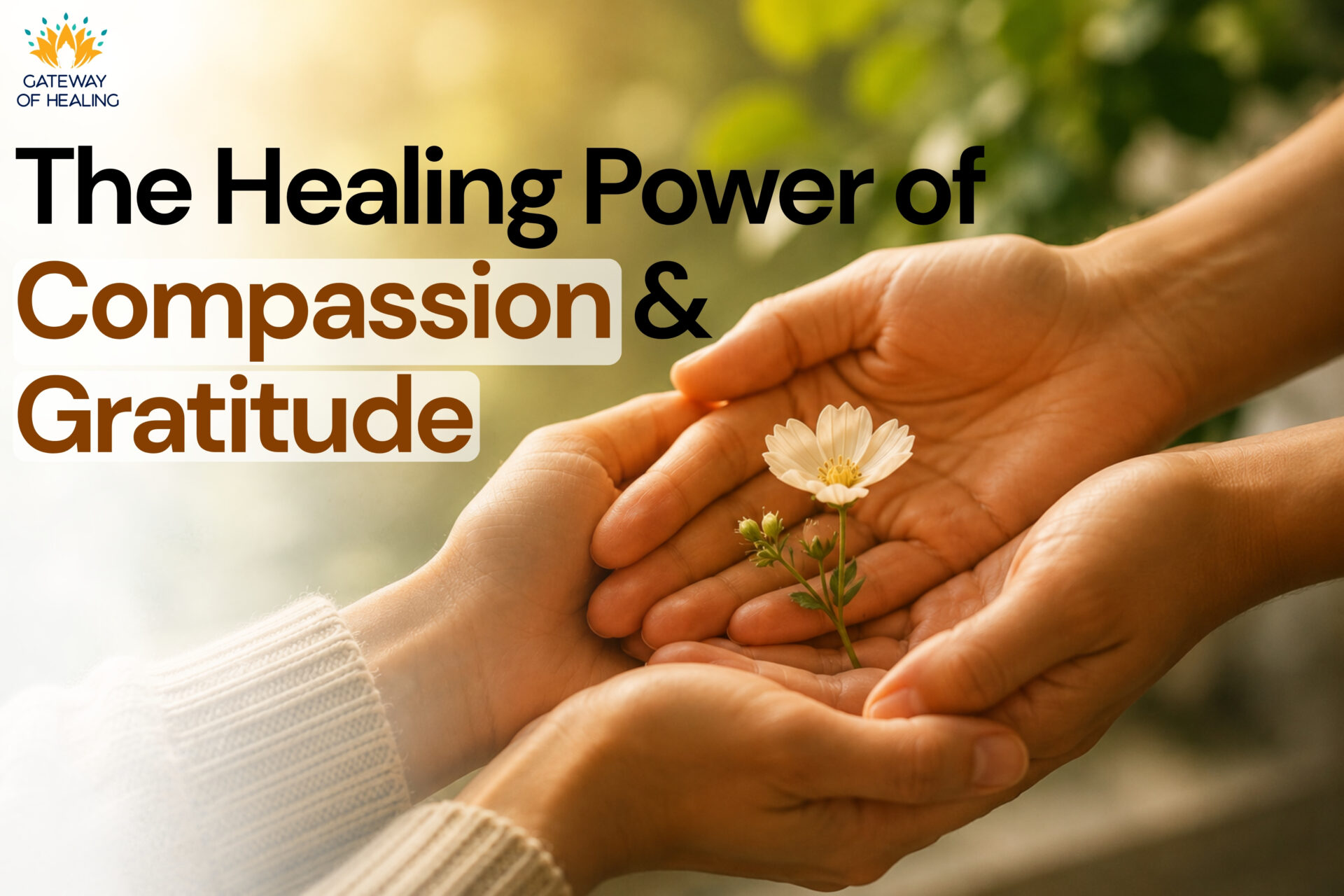
Compassion and gratitude are often spoken about as virtues. We admire them in others and try to practice them ourselves. But they are much more than positive attitudes. They are powerful emotional states that influence how we think, relate, heal, and experience life. When life becomes stressful, most people focus on fixing problems. They work harder, think harder, and try to control every outcome, and yet healing rarely begins with control. It begins with a softer approach. Compassion helps us respond to pain with kindness instead of criticism, and gratitude helps us notice what is still present instead of only what is missing. Together, they create an emotional environment where healing becomes possible.
Compassion Begins With Yourself
When people hear the word compassion, they often think of helping others, but genuine compassion starts within. Notice how you speak to yourself after making a mistake. Do you think:
- “I should have known better.”
- “I always mess things up.”
- “Why can’t I get this right?”
Or do you pause and acknowledge that being human includes making mistakes? Self-compassion is not making excuses, but responding to your struggles with the same understanding you would offer a close friend. Healing becomes difficult when your inner voice is constantly attacking you.
Why Gratitude Is More Than Positive Thinking
Gratitude is often misunderstood as pretending everything is fine; that is not gratitude. True gratitude acknowledges reality while choosing to recognize what still supports you. You can be grateful for a conversation that brought comfort, a body that continues to carry you, a lesson hidden inside a challenge, a friend who listened without judgment, or a quiet moment in a busy day. Gratitude does not deny pain, rather it prevents pain from becoming the only thing you notice.
The Nervous System Responds to Safety and Appreciation
Your nervous system is constantly scanning your environment. When it detects ongoing stress, it prepares the body for protection. When it experiences moments of safety, connection, and appreciation, it shifts toward restoration. Acts of compassion and gratitude support this shift, and you may notice:
- Slower breathing
- Reduced emotional reactivity
- Greater mental clarity
- A stronger sense of connection
- More emotional resilience.
Compassion Changes Relationships
Many conflicts are prolonged because people want to be understood before they are willing to understand, and compassion changes that dynamic. It allows you to ask:
- What might this person be carrying?
- What fear could be influencing this reaction?
- How can I respond without adding more pain?
Compassion does not mean accepting harmful behavior or abandoning healthy boundaries. It means remembering that every person is fighting battles that may not be visible. This perspective softens judgment without sacrificing wisdom.
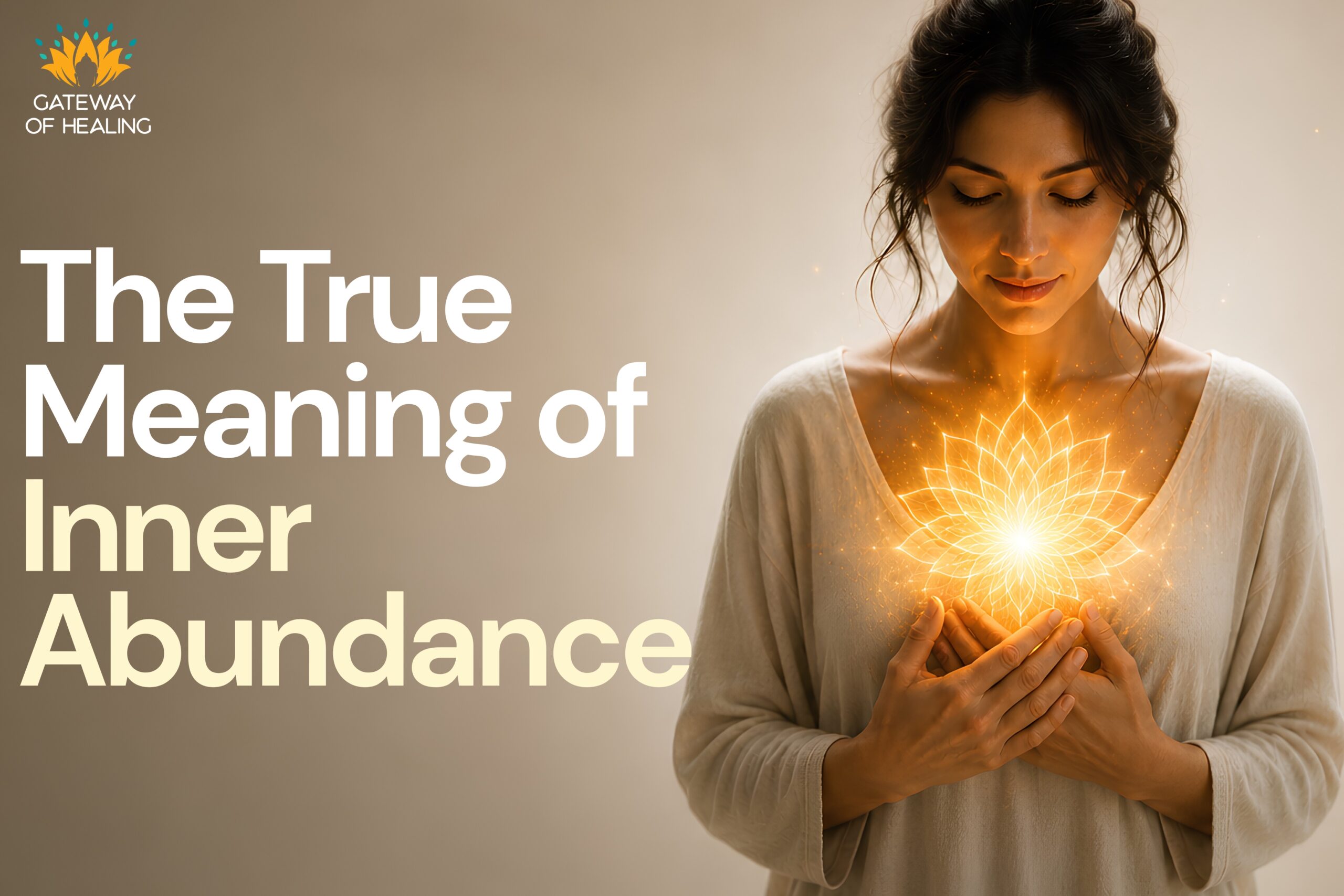
Gratitude Helps You Notice Invisible Abundance
The human mind naturally pays more attention to problems than to moments of peace. This tendency helped our ancestors survive, and today, it often keeps us focused on what is lacking.
Gratitude gently redirects attention. It helps you notice:
- Progress instead of perfection
- Relationships instead of possessions
- Presence instead of pressure
- Growth instead of comparison.
Practising Compassion and Gratitude Every Day
- Change your inner dialogue. When something goes wrong, pause before criticizing yourself. Ask, “What do I need right now instead of what do I need to fix?”
- End the day with three moments of gratitude. Instead of searching for extraordinary events, notice ordinary blessings, like a peaceful meal, a supportive message, or a moment of laughter, as small moments create lasting emotional strength.
- Extend compassion before assumptions. When someone disappoints you, resist the urge to react immediately. Choose curiosity before conclusion, this does not mean ignoring your feelings, but it means creating space before responding.
- Appreciate your own growth. Many people celebrate achievements while overlooking emotional progress. Notice where you have become more patient, more honest, more resilient, and more self-aware. Growth deserves gratitude too.
- Express appreciation openly. Tell people when they have made a difference in your life. Gratitude becomes more powerful when it is shared. A sincere “thank you” strengthens both the giver and the receiver.
Compassion Does Not Mean Carrying Everyone’s Pain
One common misunderstanding is that compassionate people must absorb everyone else’s struggles. Healthy compassion includes boundaries, so that you can support someone without losing yourself, care deeply without carrying responsibilities that are not yours. Compassion without boundaries often leads to emotional exhaustion, but compassion with wisdom creates sustainable care.
Healing Happens in Small Moments
Many people spend years waiting for a single, dramatic breakthrough to heal them, but real healing usually arrives much more quietly. It shows up in the smallest, everyday choices: choosing patience over anger, offering yourself grace after a setback, recognizing beauty in an ordinary afternoon, or forgiving yourself for simply being imperfect.
While these subtle shifts might seem insignificant on their own, together they quietly reshape the way you experience yourself and the world around you.
A Different Way to Think About Loss
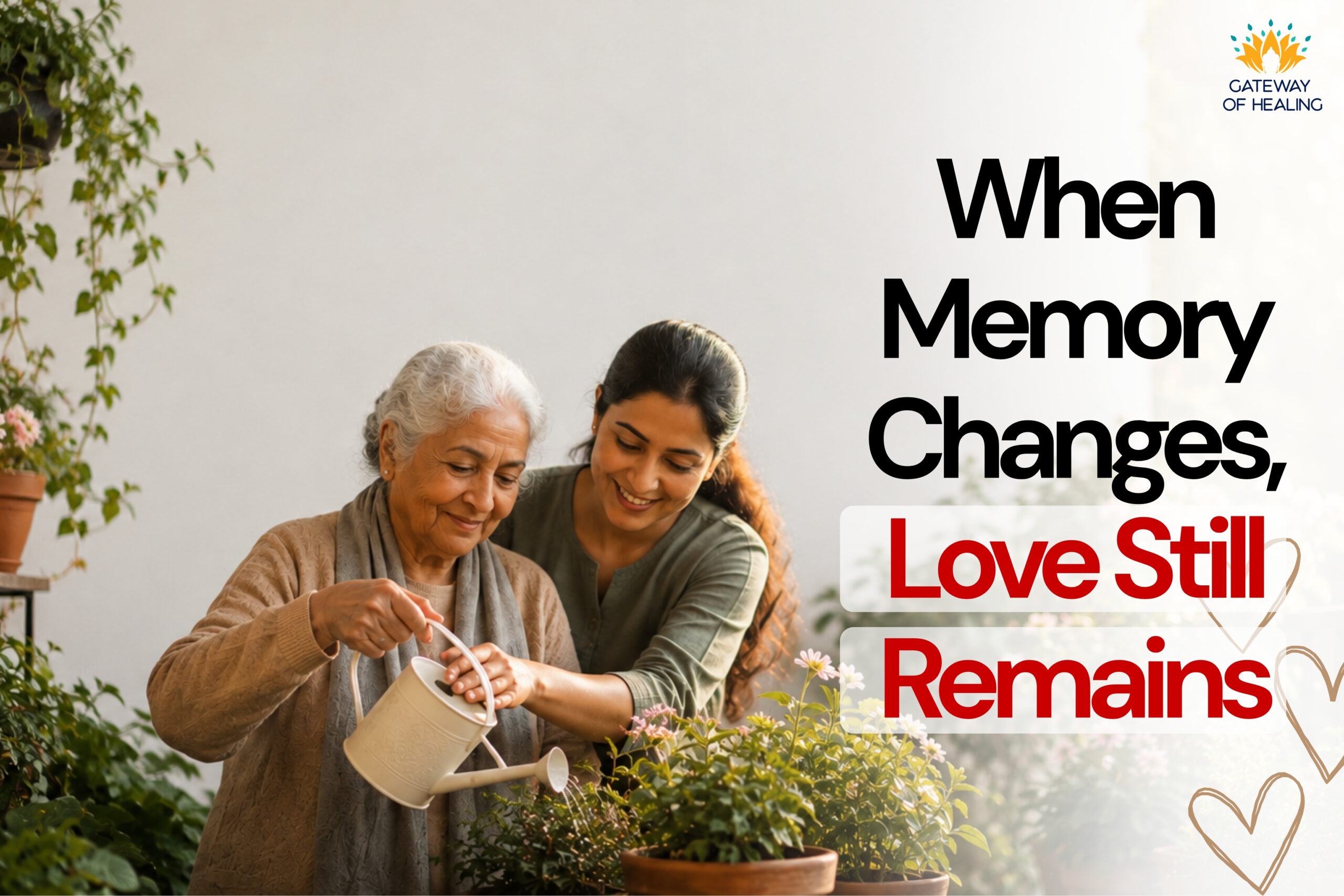
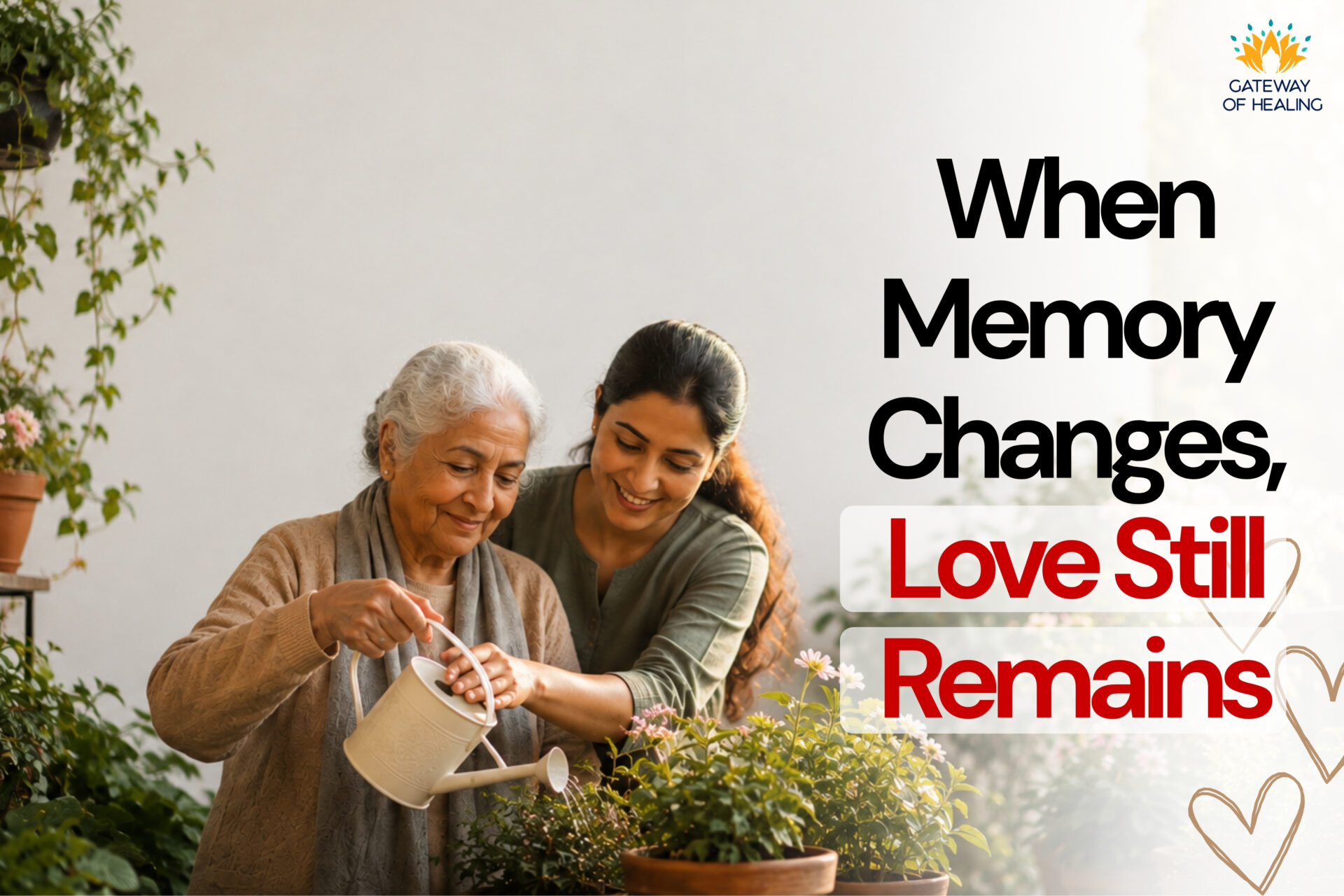
Families often grieve the person their loved one used to be, and that deep sense of loss deserves time and space to be felt. Yet, alongside that grief, a gentle shift in perspective is possible: instead of focusing entirely on “How much have we lost?”, you can also begin to ask, “What is still here?”
It might be a familiar smile, a favorite song, the warmth of holding their hand, a moment of shared laughter, or simply a quiet afternoon spent together. Though these brief glimpses may seem small, they are profoundly real, and they matter.
A Compassion and Gratitude Ritual
At the end of the day, sit quietly for five minutes, place one hand on your heart, and ask yourself:
- Where was I kind to myself today?
- Who made my day a little lighter?
- What simple moment brought me peace?
- What do I want to carry into tomorrow?
Write your answers in a journal. Over time, you will begin to notice that your attention naturally shifts toward what nourishes you instead of only what drains you.
Frequently Asked Questions
Q1. Can compassion improve emotional well-being?
Yes. Self-compassion reduces harsh self-criticism, strengthens resilience, and supports healthier emotional regulation.
Q2. Is gratitude effective even during difficult times?
Yes. Gratitude does not remove challenges, but it helps create emotional balance by recognizing what continues to support you.
Q3. Can compassion and gratitude reduce stress?
Research suggests that both practices can support nervous system regulation, improve emotional resilience, and strengthen overall well-being when practiced consistently.
Q4. Does self-compassion make people less motivated?
No. Studies have shown that people who practice self-compassion are often more resilient after setbacks because they recover without becoming overwhelmed by shame.
Q5. How long does it take to experience the benefits of these practices?
Many people notice small shifts within days, but the greatest benefits come through regular, consistent practice over time.
Compassion and gratitude are not reserved for life’s easiest moments. They matter most when life feels uncertain, painful, or overwhelming. Compassion reminds you that you deserve kindness even while you are still growing. Gratitude reminds you that even in difficult seasons, there is something worth holding onto. Together, they create the emotional conditions where healing can quietly take root. You may not be able to change every circumstance, but you can change the way you meet each day, and sometimes, that changes everything.
Reach Dr. Chandni’s support team at +918800006786 and book an appointment.


































 facebook
  X
X  youtube
  whatsapp
  instagram
  linkedin