

Have you ever taken a day off, only to feel guilty by lunchtime? Or sat down to relax, only to find your mind racing through unfinished tasks, unanswered emails, and everything you “should” be doing? If so, you’re not alone. For many people today, rest has become surprisingly uncomfortable. We crave it when we’re exhausted, yet struggle to enjoy it when we finally have it. Instead of feeling restored, we feel restless, and some people even apologize for resting. This isn’t because we’ve forgotten how to relax, but because somewhere along the way, many of us learned to associate our worth with our productivity. In a culture that celebrates constant hustle, choosing to rest can feel almost rebellious.
When Busyness Becomes an Identity
Ask someone how they’re doing, and one answer appears again and again, “I’m so busy.” It has almost become a badge of honour. Being busy is often mistaken for being important, and being constantly occupied is seen as being ambitious. Over time, many people begin to believe that slowing down means falling behind, and due to that, even when there is nothing urgent to do, they feel uneasy doing nothing. Rest begins to feel unfamiliar because business has become part of their identity.
Productivity Has Quietly Become Self-Worth
Many of us grow up hearing messages like, “don’t waste time,” “work hard if you want to succeed,” or “idle hands achieve nothing.” Hard work is valuable, but the problem begins when productivity becomes the only measure of value. You may notice thoughts like:
- I haven’t done enough today.
- I should be doing something useful.
- I’ll rest after I finish everything.
But the list rarely ends, because when self-worth depends on achievement, rest starts to feel undeserved.
Your Nervous System May Not Know How to Slow Down
Rest is not only a decision, but also a nervous system experience. If you’ve spent years living with constant pressure, deadlines, or emotional stress, your body may become accustomed to operating in a state of high alert. When everything suddenly becomes quiet, the nervous system may interpret that quiet as unfamiliar rather than safe, and you might notice:
- Feeling anxious during holidays
- Reaching for your phone the moment you sit still
- Becoming restless while on vacation
- Feeling guilty after sleeping in
- Creating unnecessary tasks simply to stay busy
We Are Constantly Consuming, Rarely Pausing
Even when we stop working, we often don’t truly rest, instead, we move seamlessly from one form of stimulation to another by scrolling, watching another episode, replying to messages, listening to podcasts, or checking the news. Because the mind never gets the opportunity to settle, mental fatigue quietly accumulates over time. True rest is not simply the absence of work; it is the presence of recovery, which only happens when we allow ourselves moments of genuine stillness.
Why Doing Nothing Feels So Strange
Modern life has trained us to believe that every single moment must be productive, we check our phones while waiting in a queue, put on a podcast when sitting quietly, and answer emails while traveling. As a result, silence has become a void to fill rather than a state to experience. Yet, some of our best ideas, deepest insights, and greatest emotional clarity emerge only when we stop trying to occupy every second; stillness is not empty space, but the very place where the mind finally begins to breathe again.
Rest Is Not Laziness
One of the biggest misconceptions is that resting means giving up, but in reality, rest is preparation. Athletes schedule recovery because they know muscles grow during rest, not only during training. Nature follows rhythms of activity and renewal, and even the heart alternates between contraction and relaxation. Similarly, human beings are no different. Without recovery:
- Creativity declines.
- Patience decreases.
- Decision-making suffers.
- Emotional resilience weakens.
- Relationships become harder to nurture
How to Build a Healthier Relationship With Rest
- Notice the guilt without obeying it. The next time guilt appears while resting, simply observe it, and ask yourself, “is this guilt telling me the truth, or is it reflecting an old belief?” Awareness loosens the grip of conditioning.
- Schedule recovery, not just work. Don’t wait until you’re exhausted. Treat rest as an essential part of your routine rather than something you earn after burnout.
- Practice moments of intentional stillness. Spend five or ten minutes each day without reaching for a device. Sit quietly, breathe, look out the window, and allow your mind to slow naturally.
- Redefine what a successful day looks like. A successful day is not only measured by tasks completed. It can also include feeling emotionally present, having meaningful conversations, taking care of your health, and allowing yourself to recover, because success includes sustainability.
- Remember that rest is productive in its own way. Every time you rest, you are supporting your ability to think clearly, regulate emotions, solve problems, and show up fully for the people and work that matter.
The Permission Many People Are Waiting For
Sometimes what people need most is not another productivity system, they simply need permission. Permission to pause, to sleep, to take a break without explaining themselves, and to enjoy life without constantly feeling the need to earn it. The truth is that your value does not increase because you are busy, nor does it decrease because you choose to rest; you were never meant to function like a machine, but rather designed to live in natural rhythms of effort and renewal.
A Rest Reflection Practice
Tonight, before going to bed, ask yourself:
- When did I last feel truly rested?
- What emotions arise when I slow down?
- What belief makes rest feel uncomfortable?
- What would change if I believed that rest was a responsibility rather than a reward?
Write your answers without judging them. Awareness is often the first step toward reclaiming a healthier relationship with rest.
Frequently Asked Questions
Q1. Why do I feel guilty when I rest?
Many people grow up linking their worth to productivity. As a result, resting can trigger guilt even when the body genuinely needs recovery.
Q2. Can chronic busyness affect mental health?
Yes. Constant busyness without adequate recovery can contribute to stress, emotional exhaustion, reduced concentration, and burnout.
Q3. Is scrolling on my phone the same as resting?
Not always. While it may feel relaxing in the moment, continuous digital stimulation often prevents the mind and nervous system from fully recovering.
Q4. How can I become more comfortable with rest?
Start with short periods of intentional stillness, challenge beliefs that equate rest with laziness, and remind yourself that recovery supports long-term well-being.
Q5. Is rest important even if I don’t feel tired?
Yes. Rest is preventive as well as restorative. Regular recovery helps maintain emotional resilience, creativity, and physical health before exhaustion sets in.
Rest feels uncomfortable today because many of us have been taught to value ourselves by what we produce rather than who we are. But life is not meant to be lived at full speed all the time. Just as nature moves through seasons of growth and renewal, we too need moments of pause to restore our energy, clarity, and perspective. Rest is not an interruption to life. It is an essential part of living it well.
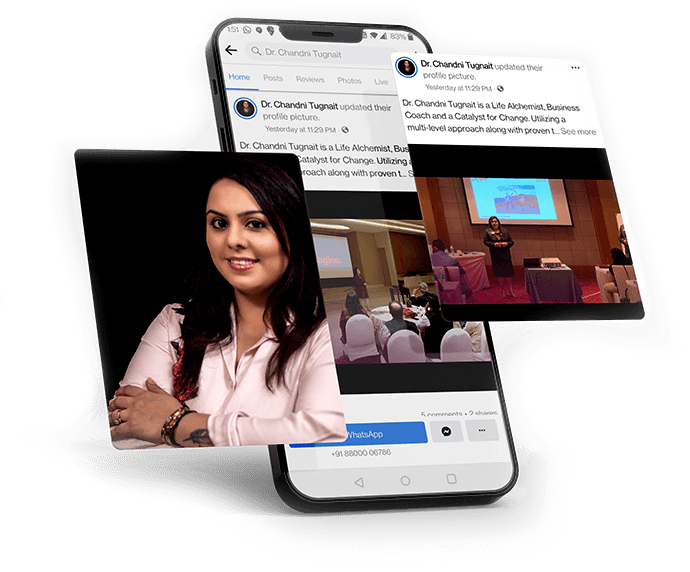
Reach Dr. Chandni’s support team at +918800006786 and book an appointment.
































 facebook
  X
X  youtube
  whatsapp
  instagram
  linkedin
Sometimes hardest thing to do is simply allow self to rest without guilt..Thank you for sharing this perspective 🙏🙏🙏🙏
I had become so used to equating my worth with being productive….such imp reminder..👏
So tru… thanks