
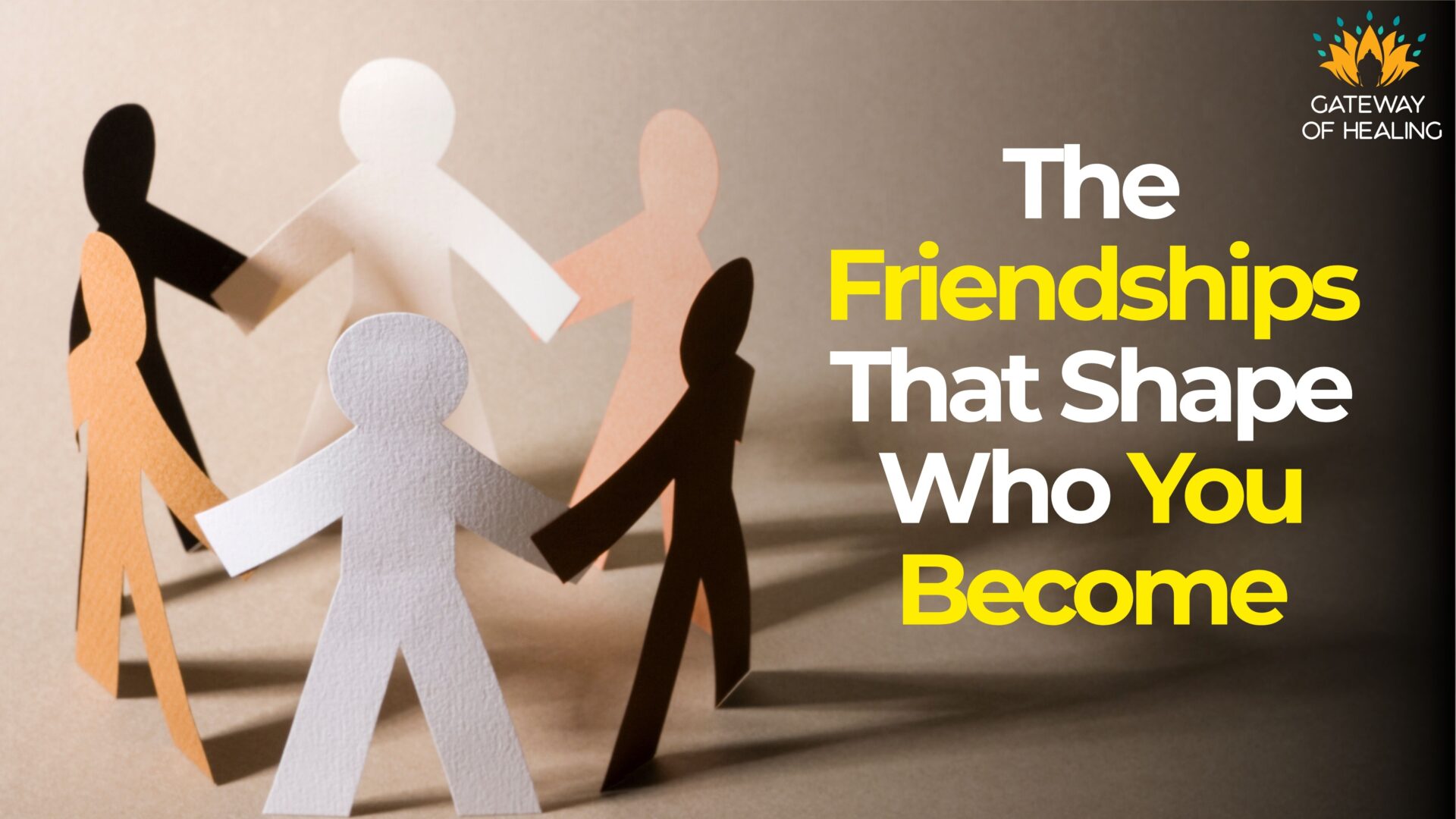
Friendship is often seen as one of life’s greatest joys. We celebrate the people who make us laugh, stand by us during difficult times, and create memories that last for years. But friendships do far more than make life enjoyable. They quietly shape how we think, feel, grow, and even see ourselves.
The people you spend the most time with influence your beliefs, habits, emotional resilience, and sense of possibility. Some friendships help you become more confident, grounded, and authentic, while others leave you feeling drained, doubtful, or disconnected from who you are. Friendship Day is not only an opportunity to appreciate the people in your life, but also a chance to reflect on whether your relationships are helping you become the person you want to be.
Every Friendship Leaves an Emotional Imprint
Every meaningful relationship teaches you something. Some friends teach you trust, some teach you courage, and some remind you that you are accepted exactly as you are. Others teach difficult lessons about boundaries, self-respect, or letting go. Even friendships that end often leave behind valuable insights.
The people who walk beside you become part of your emotional history. They influence how you communicate, handle conflict, celebrate success, and navigate challenges, and this is why choosing your circle is one of the most important decisions you make.
You Slowly Become Like the People Around You
Human beings naturally adapt to their environment. Spend enough time with optimistic, emotionally mature people, and you begin to approach life differently. Spend enough time with people who constantly complain, criticize, or operate from fear, and you may gradually adopt those patterns too. Friendships influence:
- Your confidence
- Your emotional habits
- Your standards
- Your outlook on life
- Your willingness to take healthy risks
The Difference Between Familiarity and Connection
Not every long-standing friendship remains nourishing. Sometimes people stay connected simply because they have known each other for years. But history alone is not the same as emotional connection. Ask yourself:
- Do I feel seen in this friendship?
- Can I express myself honestly?
- Do we celebrate each other’s growth, or compete with it?
Healthy friendships allow both people to evolve. They do not expect each other to remain the same forever.
Your Nervous System Chooses Safety
Friendships affect far more than just your emotions, they directly influence your nervous system. Safe friendships create an environment where you feel heard without judgment, accepted without needing to perform, comfortable expressing vulnerability, and calm rather than guarded. These supportive relationships actually help regulate your nervous system, leaving you feeling lighter and recharged after every conversation.
On the other hand, friendships filled with criticism, unpredictability, or emotional manipulation keep your body in a persistent state of tension. You may find yourself overthinking every conversation, walking on eggshells, feeling emotionally exhausted after meeting up, or constantly hesitating to share your true thoughts. Because your body often recognizes these unhealthy dynamics long before your mind does, it is essential to pay close attention to how you physically and emotionally feel after spending time with someone.
The Friends Who Help You Grow Are Not Always the Loudest
Some friendships are built around entertainment, while others are built around evolution. The people who shape your life most profoundly are often those who:
- Tell you the truth with kindness
- Celebrate your wins without comparison
- Encourage your growth even when it changes the relationship
- Hold you accountable with compassion
- Stay present during difficult seasons
How to Build Friendships That Support Growth
- Choose authenticity over approval. Do not build friendships by becoming who you think others want you to be, because the strongest relationships always begin with honesty.
- Notice how your body responds. After spending time with someone, ask yourself: Do I feel peaceful? Inspired? Drained? Anxious? Your nervous system provides valuable information about the quality of your relationships.
- Make room for honest conversations. Real friendship is not built only through shared activities, but it grows through shared truth. Create space for conversations that move beyond daily updates.
- Celebrate growth instead of fearing it. Healthy friends do not feel threatened by each other’s evolution, rather they encourage it. As you grow, your friendships may also change, and that is a natural part of life.
- Be the kind of friend you hope to find. Listen fully, keep your word, respect boundaries, and offer encouragement without trying to control. The friendships you create are often a reflection of the energy you bring into them.
Sometimes Growth Means Outgrowing Friendship
One of the hardest realities of adulthood is realizing that not every friendship is meant to last forever, as people naturally grow at different speeds, values shift, priorities change, and life moves in new directions. Outgrowing a friendship does not erase its importance; it simply acknowledges that some relationships serve a purpose for a season rather than a lifetime. Ultimately, letting go can be an act of gratitude for the role someone played in your journey, rather than a matter of resentment.
Friendship Begins With the Relationship You Have With Yourself
The friendships you accept often reflect the relationship you have with yourself. When you cultivate healthy self-worth, you naturally become far less likely to tolerate constant disrespect, emotional manipulation, one-sided effort, or repeated dishonesty. Ultimately, healthy friendships begin from within—the more deeply connected and grounded you are in your own value, the more naturally you attract relationships built on mutual respect rather than emotional dependence.
A Friendship Day Reflection Ritual
Take a notebook and write the names of five people you spend the most time with. Beside each name, write one word that describes how you usually feel after interacting with them. Then ask yourself:
- Which friendships help me become a better version of myself?
- Where do I feel completely accepted?
- Which relationships need more attention?
- Which ones may need healthier boundaries?
Finish by sending one genuine message of gratitude to a friend who has positively shaped your life. Sometimes the greatest gift you can give someone is letting them know the difference they have made.
Frequently Asked Questions
Q1. Can friendships really influence mental and emotional health?
Yes. Supportive friendships reduce stress, strengthen resilience, and create a sense of belonging. Unhealthy friendships can increase emotional exhaustion and anxiety.
Q2. Is it normal to outgrow friendships?
Yes. As values, goals, and life circumstances change, some friendships naturally evolve or come to an end.
Q3. How do I know if a friendship is emotionally healthy?
Healthy friendships are built on trust, mutual respect, honesty, emotional safety, and encouragement rather than control or constant criticism.
Q4. What if I struggle to make close friends as an adult?
Building meaningful friendships takes time and intention. Focus on shared values, genuine conversations, and consistent effort rather than trying to form instant connections.
Q5. Can one good friendship make a difference?
Absolutely. Research consistently shows that even one emotionally supportive relationship can improve resilience, reduce loneliness, and positively influence overall well-being.
The friendships that shape you are not always the ones you’ve known the longest. They are the ones that make you feel safe enough to grow, honest enough to be yourself, and courageous enough to become more of who you are. This Friendship Day, celebrate not only the people who have stood beside you, but also the relationships that have expanded your perspective, strengthened your spirit, and reminded you that the right company does more than share your journey. It quietly transforms it.
Reach Dr. Chandni’s support team at +918800006786 and book an appointment.






























 facebook
  X
X  youtube
  whatsapp
  instagram
  linkedin