
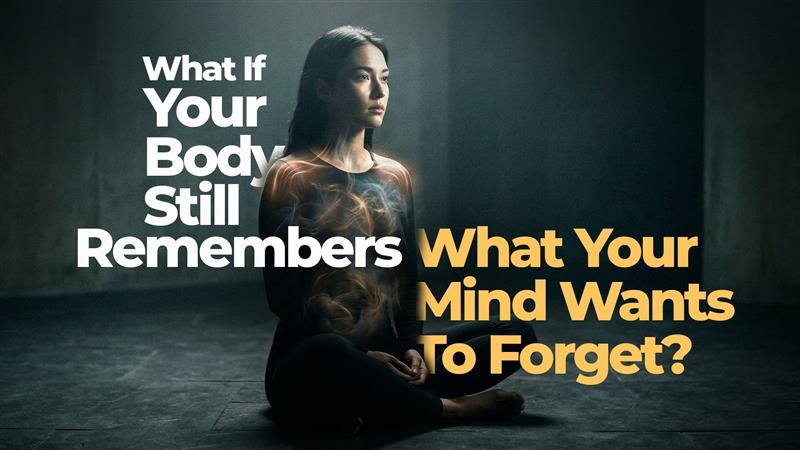
On World Health Day, conversations often focus on diet, exercise, and medical care. These are essential, but health is not shaped only by physical habits. It is also shaped by emotional experience. Your body remembers what your mind may try to forget. Emotional stress, unresolved grief, chronic pressure, and long-term anxiety do not disappear. They are stored, processed, and expressed through physical patterns over time. Health is not just biological but also emotional history made visible.
How Emotions Become Physical
Emotions trigger physiological responses, like when you feel fear, stress hormones increase, and when you feel calm, restorative processes activate. If stress is short-lived, the body returns to balance. But when emotional strain becomes chronic, the nervous system remains activated. This creates long-term effects such as:
- Muscle tension
- Digestive disturbances
- Sleep irregularities
- Hormonal imbalances
- Reduced immunity
The Nervous System as the Bridge
The nervous system connects emotional experience to physical response. When the nervous system feels unsafe:
- The heart rate increases
- Breathing becomes shallow
- Muscles tighten
- Digestion slows
Over time, this state becomes familiar, and many people begin to function from chronic tension without realising it. Regulation is essential for healing because physical health improves when emotional safety increases.
Early Experiences Shape Physical Patterns
Your emotional history often begins in childhood, where early experiences of safety, validation, or stress shape how your body learns to respond to the world. For instance, growing up in an unpredictable environment can lead to a lasting state of hypervigilance, while emotional neglect might cause you to dissociate from your own bodily signals. Similarly, being under constant pressure as a child often creates a deep-seated drive to overperform in adulthood. These patterns tend to persist throughout your life unless they are consciously addressed, primarily because the body carries these emotional memories even when your conscious mind no longer recalls the specific events.
Common Ways the Body Reflects Emotional History
- Tight shoulders from chronic responsibility
- Jaw tension linked to suppressed expression
- Fatigue from prolonged emotional caregiving
- Gut sensitivity related to anxiety
- Breath restriction from persistent stress
These are not isolated symptoms, but are part of a larger narrative. Understanding this connection reduces self-blame and encourages holistic care.
Practical Ways to Release Stored Emotional Stress
- Develop body awareness
- Regulate breathing patterns
- Incorporate gentle movement
- Create emotional expression outlets
- Establish consistent rest cycles
- Set realistic emotional boundaries
Regularly check in with physical sensations. Notice where tension accumulates. Awareness is the first step toward release.
Slow, deep breathing activates the parasympathetic nervous system. Practising controlled breathing reduces stress responses.
Activities like yoga, walking, or stretching help release stored muscular tension and improve emotional processing.
Journaling, therapy, or creative expression allows emotional experiences to be processed rather than stored.
Adequate sleep and structured breaks support nervous system recovery and physical repair.
Learning to say no and managing relational expectations reduces chronic stress load.
Why Physical Symptoms Are Often Misunderstood
Many individuals seek purely medical solutions for physical symptoms that actually have deep emotional components. This does not mean the symptoms are imagined or “all in your head”; rather, it means their origins are complex and multidimensional. For example, chronic headaches are often related to sustained muscle tension, digestive issues can be closely connected to underlying anxiety, and persistent fatigue may stem from long-term emotional burnout.
While medical care remains essential for managing these conditions, combining it with emotional awareness significantly enhances your recovery outcomes. Ultimately, your health improves most effectively when the full context of your life, both physical and emotional, is acknowledged and treated together.
The Role of Self-Compassion in Healing
Understanding that your body mirrors your emotional history can often evoke feelings of guilt or frustration, which is why practising self-compassion is so crucial. Instead of criticising yourself by asking, “Why is my body reacting this way?” try shifting to a perspective of curiosity by asking, “What has my body been holding for me?” This simple reframing transforms self-criticism into genuine care, acknowledging that your physical responses are often protective. Ultimately, healing progresses much more effectively when it is approached with patience rather than a demand for immediate change.
Aligning Emotional and Physical Health
World Health Day provides a valuable opportunity to expand our definition of health beyond the absence of illness to a more holistic view of human flourishing. When we integrate our emotional history and internal experiences, the body begins to function with greater ease, as true alignment creates the foundation for lasting resilience. True well-being includes:
- Emotional regulation to navigate life’s highs and lows
- Nervous system balance for a sense of internal safety
- Physical vitality to support daily energy and movement
- Meaningful connection with ourselves and others
- Sustainable lifestyle choices that honour our long-term needs
A Simple Body Awareness Practice
Sit comfortably, close your eyes, and bring your attention slowly from your head to your feet. Notice areas of tension without trying to change them. Take three slow breaths. Imagine each exhale softening one area of tightness. This practice strengthens the connection between mind and body.
Frequently Asked Questions
Q1. Can emotional stress really affect physical health?
A. Yes. Chronic stress influences hormonal, immune, and nervous system functioning.
Q2. Does this mean physical symptoms are psychological?
A. No. Symptoms are real. Emotional factors often contribute alongside biological ones.
Q3. How long does it take to release stored emotional tension?
A. It varies. Consistent regulation practices create gradual improvement.
Q4. Can lifestyle changes alone resolve emotional stress effects?
A. Lifestyle changes help, but emotional processing is equally important.
Q5. Is professional support necessary?
A. In many cases, guidance from healthcare or mental health professionals enhances healing.
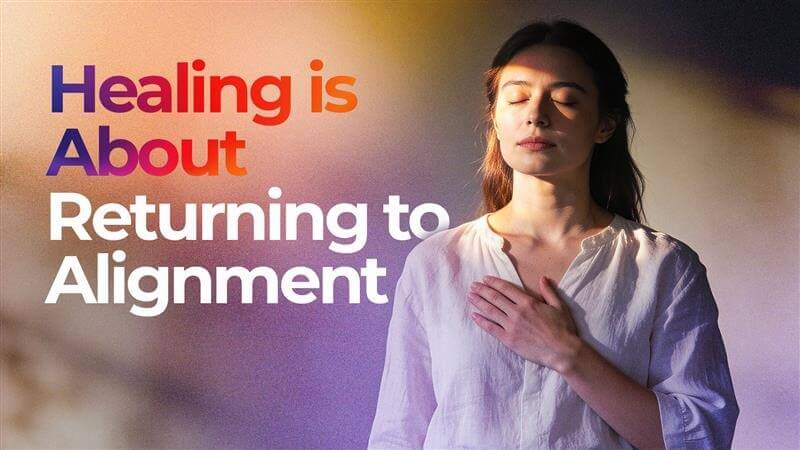
Your body is not separate from your emotional life. It reflects experiences, adapts to stress, and signals when balance is lost. On World Health Day, consider health as a dialogue between mind and body. When emotional history is acknowledged and integrated, physical well-being becomes more sustainable. Healing is not about erasing the past. It is about allowing the body to release what it has been holding and move toward greater harmony.
Reach Dr. Chandni’s support team at +918800006786 and book an appointment.





























 facebook
  X
X  youtube
  whatsapp
  instagram
  linkedin