
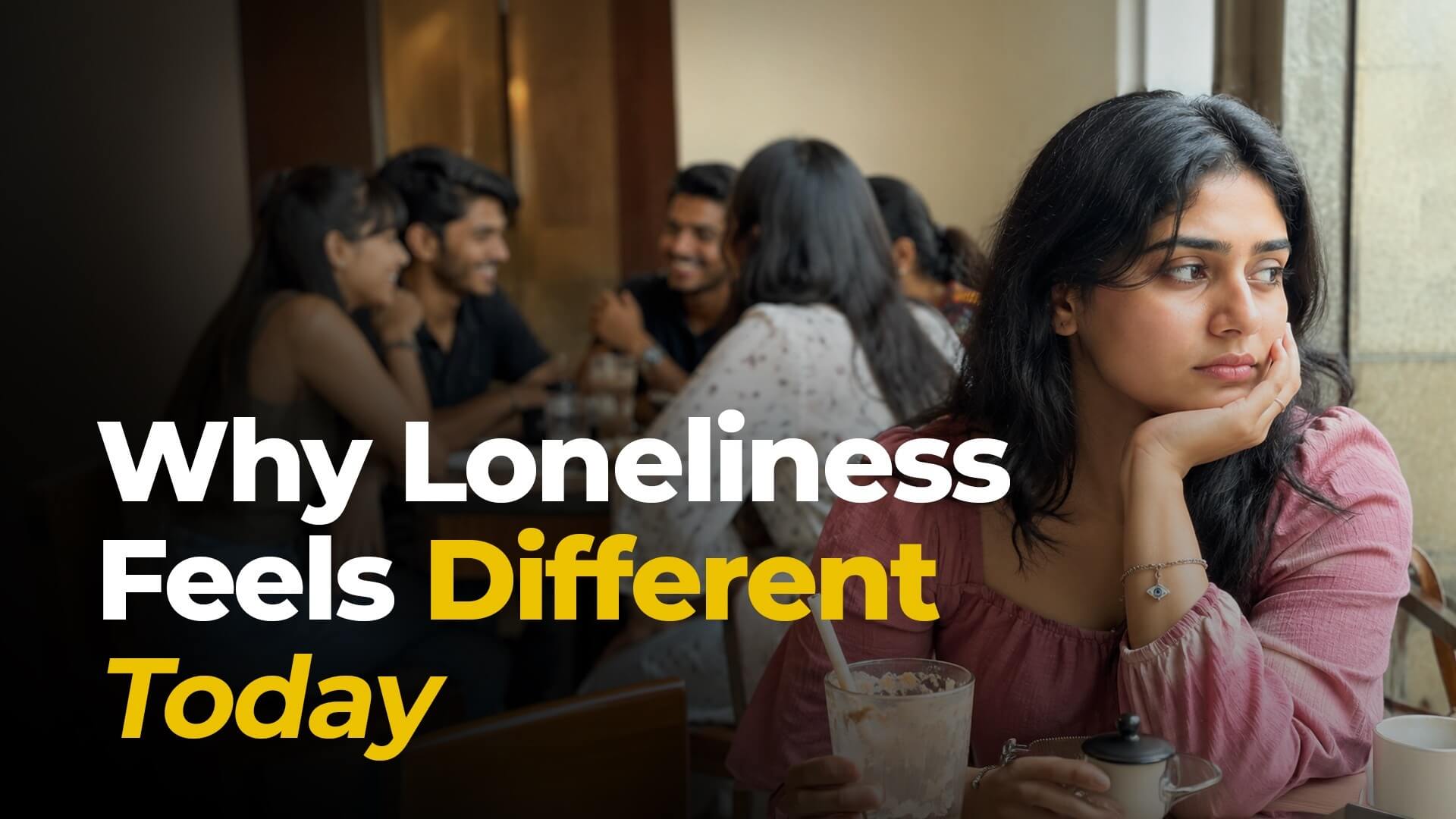
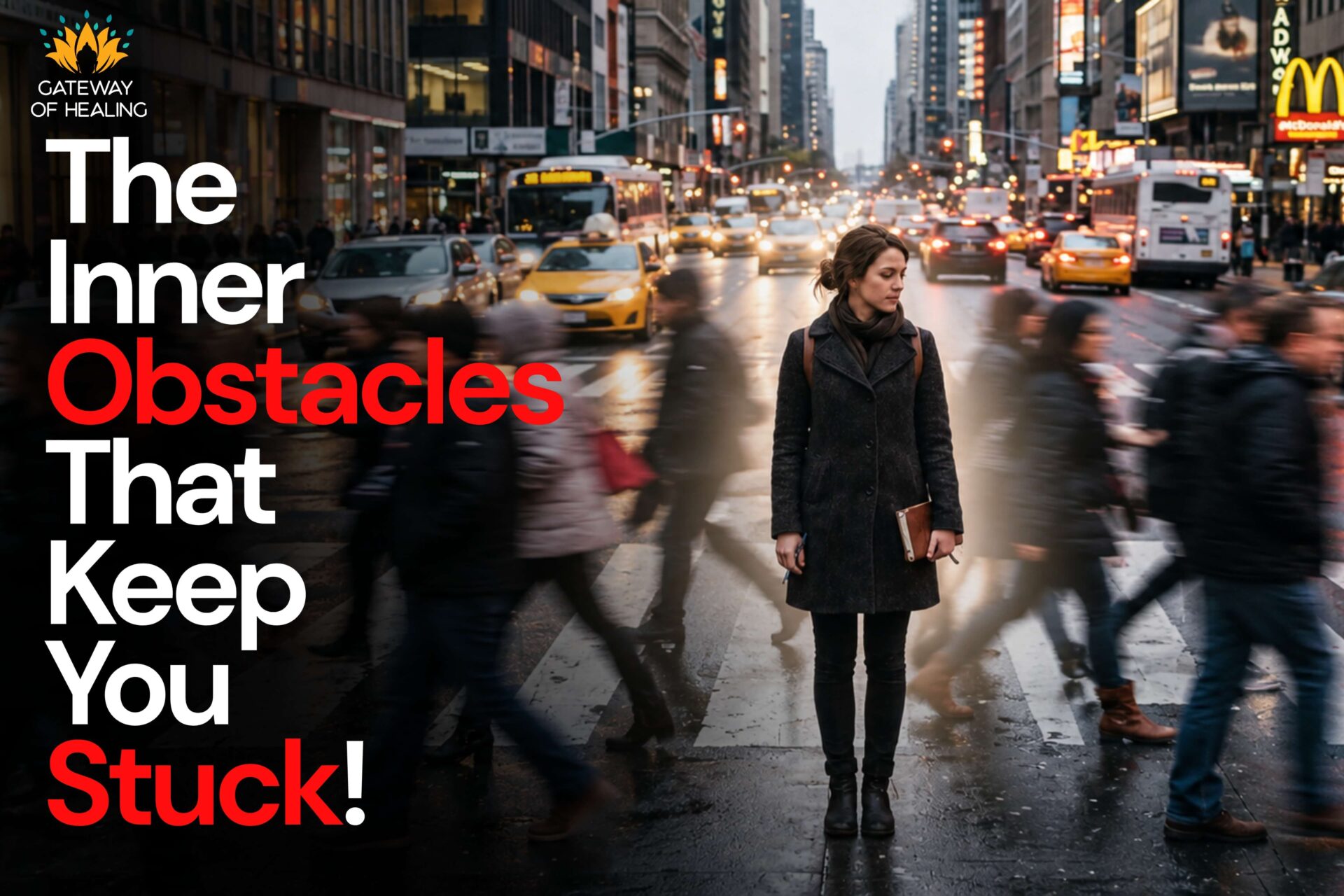
Loneliness is not new, as human beings have always experienced periods of isolation, loss, and disconnection. But many people today describe a different kind of loneliness. It exists even when they are surrounded by people. It appears despite having hundreds of online connections, and it lingers after conversations, social gatherings, and busy workdays. This modern loneliness is not simply about being alone, but about feeling unseen in a world that has never been more connected. As conversations around mental and emotional well-being continue to grow, it is worth asking: Why does loneliness feel so different today?
We Are More Connected, Yet Less Connected
Technology has made communication easier than ever. You can send a message instantly, join a video call across continents, follow the lives of people you have never met, and yet many people report feeling emotionally disconnected. Why? Because connection and contact are not the same thing. Contact is exchanging information, and connection is feeling understood, valued, and emotionally present with another person. You can have constant contact and still experience profound loneliness.
The Shift From Community to Convenience
In the past, community was often built into daily life. People interacted with their neighbors, extended family, local groups, and shared spaces more regularly, and relationships developed through repeated presence rather than planned interaction. But, today, life is more individualised, as many people
- Work remotely
- Move cities frequently
- Live away from family
- Spend leisure time online
- Maintain friendships through screens
While these changes offer flexibility, they can reduce opportunities for organic connection, and loneliness grows when belonging decreases.
The Loneliness of Being Surrounded but Not Known
One of the most painful forms of loneliness is feeling misunderstood, even when you may:
- Attend social events regularly
- Speak to people every day
- Have active group chats
- Maintain professional relationships
Despite all this, you still feel alone. This happens when interactions remain surface-level. Human beings do not only need company, but they need emotional resonance. They need spaces where they can be honest, vulnerable, and fully themselves.
Social Media Changed How We Compare Ourselves
Loneliness today is often amplified by comparison, especially when people scroll through the carefully curated highlights of others’ lives and begin to believe that everyone else has stronger relationships, feels happier, and belongs somewhere. This creates a painful illusion because people end up comparing their raw, messy internal reality to someone else’s polished public presentation. The result of this unfair benchmarking is a deep emotional distance from both themselves and others; ultimately, comparison never creates connection—it only creates separation.
The Nervous System and Modern Isolation
Loneliness is not just emotional, but it is also physiological. Human beings are wired for connection, and safe relationships help regulate the nervous system. When a meaningful connection is missing, the body may respond with:
- Increased stress
- Heightened anxiety
- Emotional fatigue
- Sleep disturbances
- Reduced resilience
Why Vulnerability Has Become More Difficult
Modern culture often encourages performance over authenticity, placing immense pressure on people to always appear successful, stay positive, have everything figured out, and present a polished image to the world. As a result of this superficial masking, many daily conversations stay strictly at the level of logistical updates rather than genuine truth; you may know exactly what someone is doing, but you rarely know how they are actually feeling. Ultimately, true connection cannot survive on surface-level updates alone, it requires raw vulnerability, and that vulnerability can only emerge when there is real emotional safety.
The Hidden Loneliness of High Achievement
Many successful people experience loneliness that others rarely see. They may be admired, respected, and surrounded by people, and yet they often struggle with:
- Feeling understood
- Showing vulnerability
- Trusting support
- Sharing emotional challenges
Achievement can attract attention, but it does not automatically create a connection. Being valued for what you do is different from being valued for who you are.
Practical Ways to Create Genuine Connection
- Prioritise quality over quantity
- Practice honest communication
- Build regular connection rituals
- Limit comparison-based scrolling
- Strengthen your relationship with yourself
One meaningful conversation can be more nourishing than dozens of surface-level interactions.
Share how you are actually feeling with someone you trust, because authenticity creates connection.
A weekly call, shared meal, or recurring meetup creates consistency, and relationships thrive through repetition.
Notice how social media affects your emotional state, and choose engagement over passive comparison.
Loneliness becomes heavier when you feel disconnected from your own needs, emotions, and values. Self-connection supports external connection.
The Difference Between Solitude and Loneliness
Solitude and loneliness are often confused, yet they represent entirely different internal states. Solitude is a conscious, chosen experience that can be deeply restorative, offering the mental space required for reflection, creativity, and emotional grounding. In contrast, loneliness feels imposed from the outside and carries a painful, persistent longing for connection. While learning to genuinely enjoy your own company does not eliminate your natural human need for relationships, it does dramatically reduce your dependence on constant external validation, allowing you to move through the world with a stronger sense of self.
What Modern Loneliness Is Really Asking For
Loneliness is not a sign that something is wrong with you. It is a signal that connection matters, because beneath loneliness is often a deeper desire, not just for people, but for:
- Belonging
- Understanding
- Emotional safety
- Authenticity
- Shared humanity
A Simple Reflection Practice
Take a moment and ask yourself:
- Where do I feel most connected?
- Who can I be completely honest with?
- What conversations am I craving?
- How can I create a more meaningful connection this week?
Frequently Asked Questions
Q1. Can someone feel lonely even when surrounded by people?
A. Yes. Loneliness is about emotional disconnection, not physical isolation.
Q2. Why does social media sometimes increase loneliness?
A. It can encourage comparison and create the illusion that others are more connected or fulfilled.
Q3. Is loneliness bad for mental health?
A. Prolonged loneliness can contribute to stress, anxiety, low mood, and reduced emotional resilience.
Q4. How can I create deeper connections?
A. Focus on authenticity, consistency, and emotional honesty rather than quantity of interactions.
Q5. Is it normal to feel lonely sometimes?
A. Yes. Loneliness is a common human experience and often signals a need for meaningful connection.
Loneliness feels different today because the challenge is no longer a lack of contact. It is a lack of depth. We live in a world where communication is constant, yet genuine connection can feel rare. The answer is not necessarily more interaction. It is more presence, more honesty, and more spaces where people feel safe to be fully themselves. When connection moves beyond appearances and into authenticity, loneliness begins to lose its grip, and belonging becomes possible again.
Reach Dr. Chandni’s support team at +918800006786 and book an appointment.































 facebook
  X
X  youtube
  whatsapp
  instagram
  linkedin