
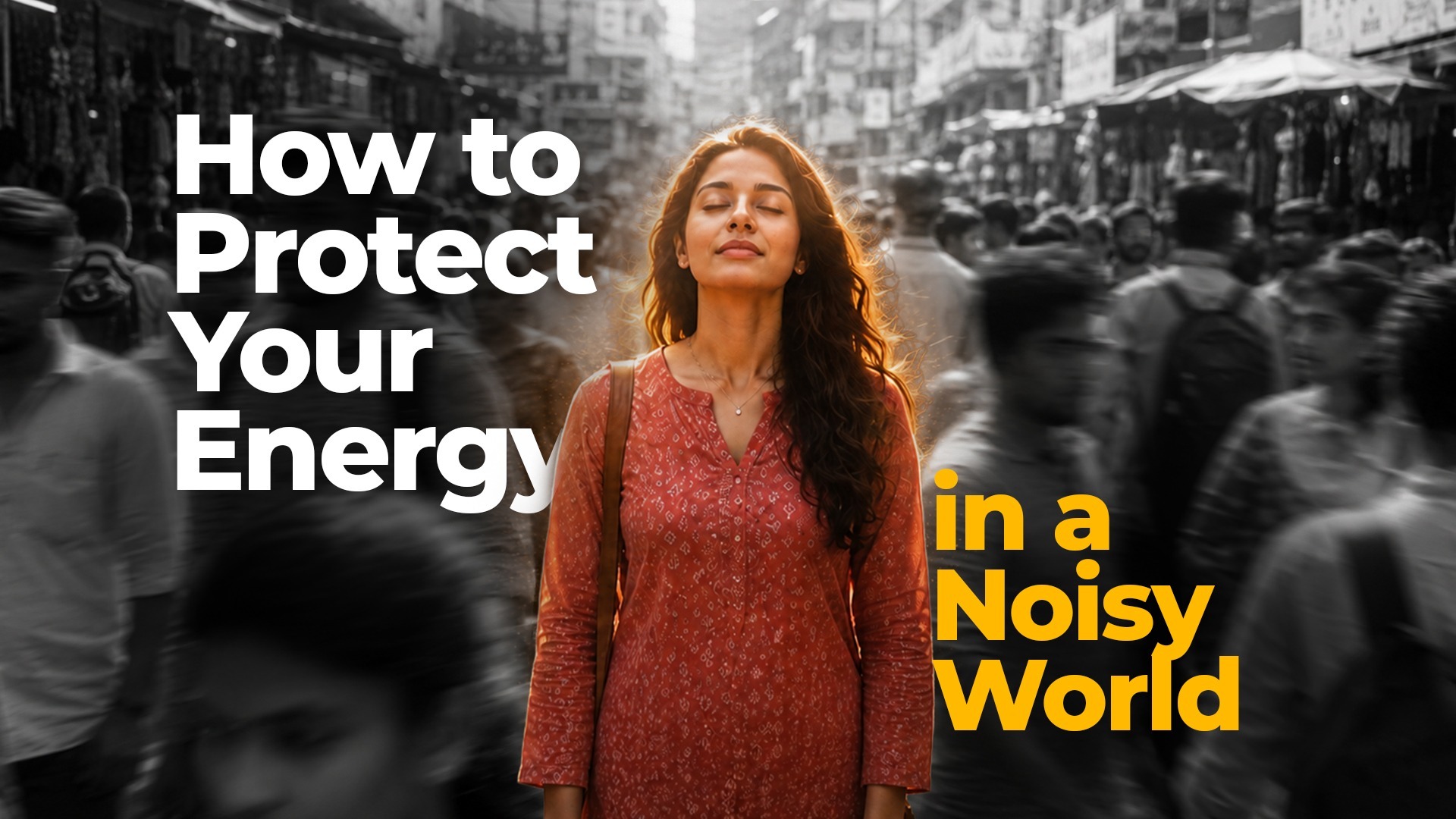
We live in a world that rarely pauses, as notifications arrive constantly, opinions are available instantly, and news travels faster than we can process it. Social media exposes us to hundreds of lives, emotions, and experiences every day. Even moments of rest are often filled with screens, conversations, and information, and the result is not just mental fatigue, but it is energetic fatigue.
Many people feel drained without understanding why. They assume they need more sleep, more motivation, or better time management. While these can help, the deeper issue is often energy leakage. Too much of your attention is being pulled outward, leaving little space to reconnect with yourself. Protecting your energy has become an essential life skill.
What Does It Mean to Protect Your Energy?
Protecting your energy does not mean isolating yourself or avoiding the world. It means being intentional about where your emotional, mental, and physical resources go. Your energy is affected by:
- The people you spend time with
- The content you consume
- The conversations you engage in
- The boundaries you maintain
- The thoughts you repeatedly entertain
Every interaction leaves an impact, and some experiences energise you, while ohers quietly deplete you, and it is awareness that helps you recognise the difference.
Why Modern Life Feels So Overwhelming
Human beings were not designed to process the amount of information we consume daily. At any given moment, you may be exposed to global news, workplace demands, family responsibilities, social media updates, and personal worries. Your nervous system does not always distinguish between direct threats and constant stimulation, and the body responds as though it needs to stay alert. Over time, this creates:
- Mental exhaustion
- Emotional irritability
- Difficulty focusing
- Sleep disturbances
- A sense of being constantly “on”
The Difference Between Being Busy and Being Drained
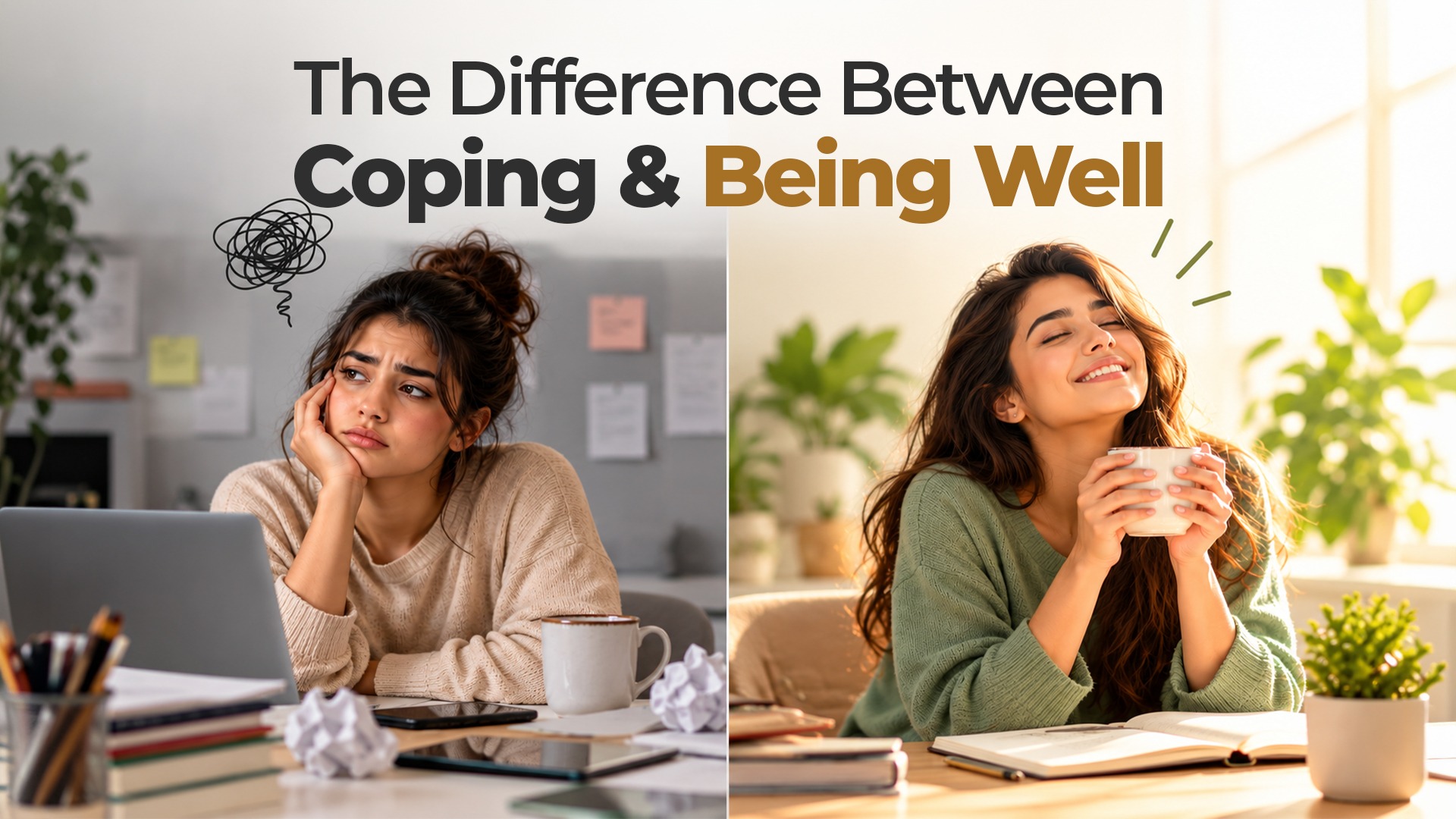
Many people confuse busyness with being depleted, but the reality is that you can have a completely full schedule and still feel energized, just as you can have very little to do and feel completely exhausted. True energy drains rarely come from your to-do list; instead, they often stem from unresolved emotional tension, people-pleasing, constant comparison, a lack of healthy boundaries, and unacknowledged emotional labour. Ultimately, protecting your energy requires you to look beneath the surface of your daily schedule and identify what is actually draining you from within.
Your Nervous System Needs Safety
A regulated nervous system feels safe enough to rest, recover, and respond thoughtfully, whereas a dysregulated nervous system stays trapped in survival mode. When you are stuck in that survival loop, you may experience difficulty relaxing, feel guilty whenever you try to rest, constantly overthink, react intensely to minor emotional triggers, or compulsively seek distractions just to avoid stillness. While many people attempt to solve these issues by forcing themselves into higher productivity, what they actually need is nervous system regulation. Sometimes, the most truly productive thing you can do for yourself is to stop pushing and simply create space to land.
Signs Your Energy Needs Protection
Your body often signals energy depletion before your mind recognises it. Pay attention if you experience:
- Feeling emotionally heavy after certain interactions
- Dreading messages or phone calls
- Increased irritability
- Difficulty concentrating
- Persistent fatigue
- Lack of enthusiasm for things you normally enjoy
Practical Ways to Protect Your Energy
- Create boundaries around information
- Stop treating every request as an obligation
- Notice who leaves you feeling lighter
- Build moments of intentional silence
- Return to your body regularly
- Protect your emotional boundaries
You do not need to know everything immediately. Limit unnecessary exposure to news, social media, and content that leaves you feeling anxious or depleted. Information is useful, but overconsumption is exhausting.
Not every invitation requires acceptance and not every problem requires your involvement. Learning to say no protects both your time and your energy.
Pay attention to how you feel after interactions, as some people leave you feeling inspired and connected, and others leave you feeling drained, guilty, or emotionally burdened. Your energy responds to your environment.
Your mind needs recovery periods. Even five minutes without screens, conversations, or stimulation can help reset your nervous system. Silence is not always empty; it can be restorative.
Stress pulls attention into the mind, and grounding practices bring you back to the present. Simple options include conscious breathing, walking, stretching, and spending time in nature. The body helps release what the mind keeps holding.
Compassion does not require carrying everyone else’s emotions. You can care deeply while recognising that not every burden belongs to you. Healthy empathy includes limits.
The Energetic Cost of Constant Comparison
One of the biggest sources of modern energy depletion is comparison, as people daily measure their own success, relationships, appearance, lifestyle, and progress against others. This constant benchmarking shifts your attention completely away from your own life, creating unnecessary pressure while disconnecting you from genuine gratitude. Ultimately, protecting your energy often means refusing to participate in everyone else’s race and returning your focus entirely to your own unique path.
Energy Protection Is Not Selfish
Many people hesitate to establish boundaries because they fear appearing selfish or uncaring to those around them. However, protecting your energy is not an act of isolation; it is the very foundation that allows you to show up more fully for the people and responsibilities in your life.
When you allow yourself to become depleted, your patience naturally decreases, resentment builds up under the surface, and your relationships ultimately suffer. In contrast, when your energy is supported and respected, you are able to communicate more clearly, respond more thoughtfully, and maintain a genuine capacity to help others without burning out.
Ultimately, protecting your personal boundaries is not about withdrawal from the world. It is a necessary act of emotional and mental maintenance that ensures you have something left to give.
A Simple Daily Energy Check-In
At the end of each day, ask yourself:
- What gave me energy today?
- What drained me today?
- What do I need more of tomorrow?
- What can I reduce or release?
Do not overanalyse, just notice, because awareness is the first step toward energetic balance.
Frequently Asked Questions
Q1. Is protecting your energy the same as avoiding people?
A. No. It is about creating healthy boundaries, not isolation.
Q2. Why do I feel tired even when I get enough sleep?
A. Emotional and mental overload can create fatigue even when physical rest is adequate.
Q3. How do I know if someone is draining my energy?
A. Notice how you consistently feel after interacting with them. Your body often provides clues.
Q4. Can social media affect energy levels?
A. Yes. Constant comparison, stimulation, and information overload can increase emotional fatigue.
Q5. Is it selfish to prioritize my own energy?
A. No. Supporting your well-being allows you to show up more effectively in all areas of life.
Protecting your energy in a noisy world is not about shutting life out. It is about becoming more intentional about what you allow in. Your attention, emotions, and nervous system are valuable resources. When you stop giving them away unconsciously, you create space for clarity, peace, and presence. The world may remain noisy, but your inner experience does not have to mirror it. Sometimes the greatest act of self-care is choosing what deserves access to your energy and what no longer does.
Reach Dr. Chandni’s support team at +918800006786 and book an appointment.
























 facebook
  X
X  youtube
  whatsapp
  instagram
  linkedin