
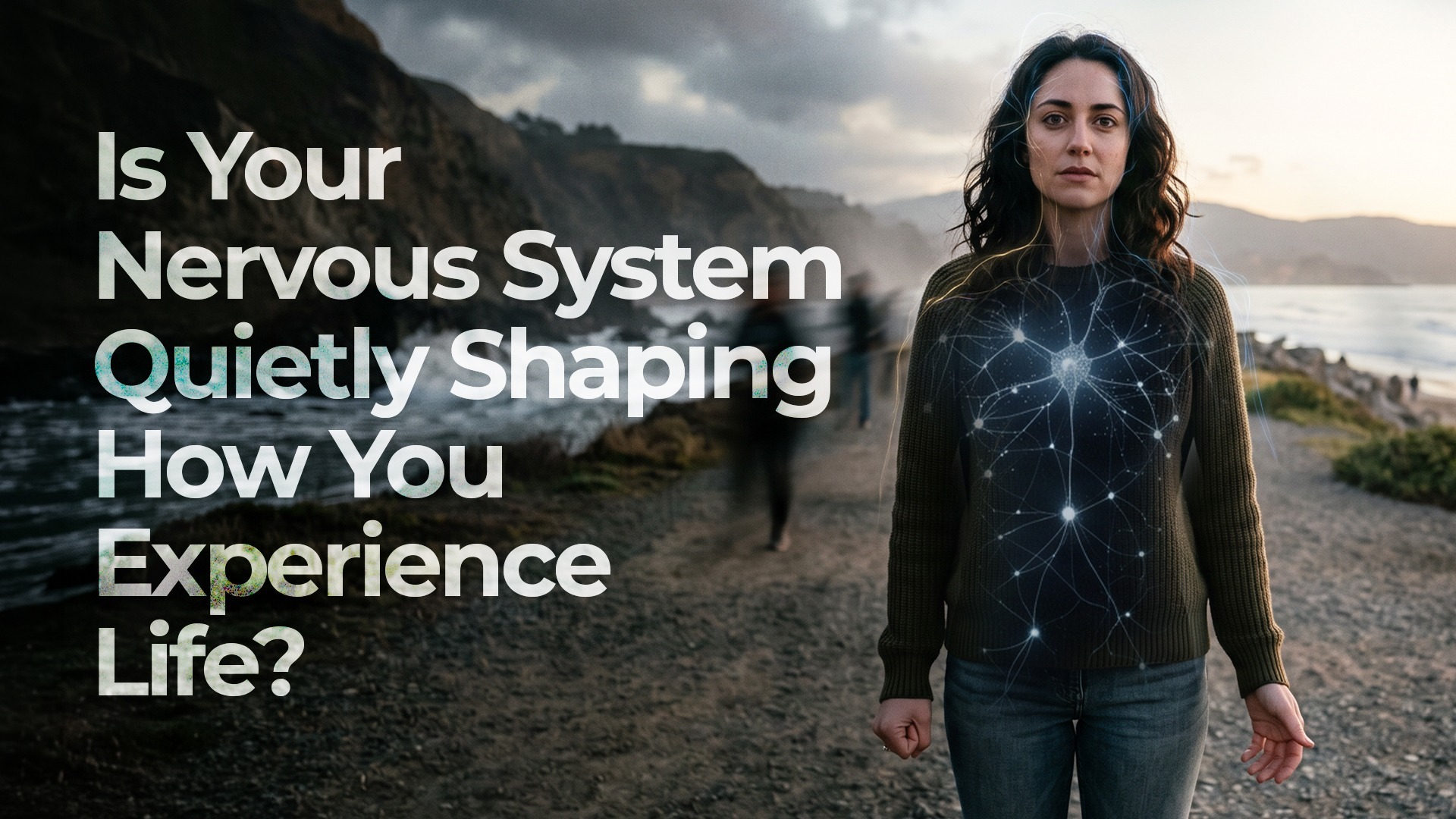
Many people believe reality is shaped only by circumstances. What happens outside determines how we feel inside. But the truth is more complex, as your nervous system acts as a filter through which you experience the world. It influences perception, emotional responses, decision-making, and even relationships. Two people can face the same situation and experience completely different realities. The difference often lies not in the event, but in how their nervous systems interpret and respond to it. Understanding this connection changes how you approach healing, stress, and growth. It shifts the focus from controlling life to regulating your internal state.
What the Nervous System Actually Does
The nervous system is responsible for detecting safety or threat. It constantly scans your environment, often without conscious awareness. When it perceives safety, you feel:
- Calm and open
- Emotionally connected
- Able to think clearly
- Curious and creative
When it perceives a threat, you may feel:
- Anxious or tense
- Defensive or withdrawn
- Overwhelmed or numb
- Reactive rather than reflective
Why Reality Feels Different on Different Days
Have you ever noticed how the same environment can feel perfectly manageable one day and completely overwhelming the next? This common fluctuation is rarely about the world around you; instead, it is driven by the current state of your nervous system. When you are regulated, problems appear solvable, interactions feel neutral or positive, and your decisions feel grounded. In this state, your internal lens is clear, allowing you to navigate daily life with a sense of ease and competence.
However, when your nervous system becomes dysregulated, that same reality shifts dramatically. Minor challenges can suddenly feel threatening, social cues are easily misinterpreted, and your thoughts may lean toward the catastrophic. It is helpful to remember that in these moments, reality itself has not changed, only your internal lens has. Recognising this shift allows you to prioritise regulation over reaction, acknowledging that your perception is currently being filtered through a stressed state.
Early Experiences and Nervous System Patterns
Your nervous system develops patterns early in life. Experiences of safety, unpredictability, or stress shape how it learns to respond. For example:
- Consistent emotional support establishes regulation
- Chronic stress may lead to hypervigilance
- Emotional neglect can result in withdrawal
These patterns continue into adulthood unless consciously addressed. They influence career choices, relationship dynamics, and coping strategies. Understanding this reduces self-judgment and promotes intentional change.
The Link Between Perception and Regulation
Perception is not purely cognitive, but also physiological. When the nervous system is activated, the brain prioritises survival. It scans for danger, amplifies negative cues, and limits nuanced thinking. In this state:
- Neutral comments may feel critical
- Uncertainty may feel threatening
- Change may feel unsafe
Practical Ways to Support Nervous System Regulation
- Breath regulation
- Sensory grounding
- Structured routines
- Gentle physical activity
- Emotional acknowledgement
Slow, rhythmic breathing activates the parasympathetic nervous system, reducing stress responses.
Engaging with physical sensations, such as feeling textures or noticing sounds, helps anchor attention in the
present moment.
Predictable daily patterns provide a sense of stability, which supports nervous system safety.
Walking, stretching, or yoga releases accumulated tension and improves mood regulation.
Recognising feelings without suppression reduces internal conflict.
Why Regulation Precedes Change
Many self-improvement strategies focus on mindset. While mindset matters, change is difficult when the nervous system feels threatened. For example:
- Setting goals while overwhelmed may lead to avoidance
- Attempting positive thinking during high stress may feel unrealistic
- Regulation creates the internal conditions necessary for sustainable change
Healing often begins with calming the body rather than analysing the mind.
Relationships Through the Nervous System Lens
Interpersonal experiences are strongly influenced by regulation. When regulated:
- Communication is clearer
- Boundaries are easier to maintain
- Empathy increases
When dysregulated:
- Conflicts escalate quickly
- Withdrawal or defensiveness occurs
- Misunderstandings intensify
Recognising nervous system dynamics improves relational awareness.
The Misinterpretation of Stress as Identity
Chronic stress can often feel like a permanent personality trait, leading individuals to describe themselves as naturally anxious or overly sensitive. However, it is important to recognise that these patterns often reflect a state of prolonged nervous system activation rather than inherent characteristics of who you are. Understanding this distinction is a powerful shift; it allows for a more compassionate self-perception and opens the door for effective interventions that treat the stress response rather than pathologising your identity.
A Simple Regulation Check-In
- How does my body feel right now?
- Is my breathing shallow or deep?
- Am I reacting or responding?
This awareness helps identify nervous system states before they escalate.
Frequently Asked Questions
Q1. Can regulating the nervous system change emotional reactions?
A. Yes. Improved regulation often leads to more measured responses.
Q2. Is nervous system regulation a long-term process?
A. Consistent practice produces gradual but lasting improvements.
Q3. Can physical health affect nervous system balance?
A. Yes. Sleep, nutrition, and movement influence regulation capacity.
Q4. Does therapy focus on nervous system work?
A. Many approaches incorporate regulation techniques alongside cognitive strategies.
Q5. Can regulation improve decision-making?
A. Yes. Calm states support clearer thinking and balanced judgment.
Your nervous system does not just respond to reality. It shapes how reality is experienced. By understanding and supporting this internal system, you gain greater clarity, resilience, and emotional stability. Change becomes less about forcing outcomes and more about cultivating internal safety. When the body feels regulated, the world often appears more manageable, and possibilities expand naturally.
Reach Dr. Chandni’s support team at +918800006786 and book an appointment.






































 facebook
  X
X  youtube
  whatsapp
  instagram
  linkedin
This is exactly what I was looking for 👍
Very informative and easy to understand.
The language is simple and easy to understand.
Excellent explanation, thanks!
Very informative and easy to understand.